Dental Instruments in US | Quality Dental Tools
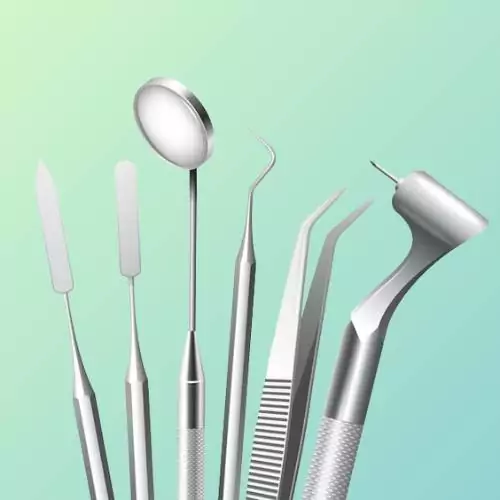
Dental Instruments in the US: Essential Tools for Modern Dental Practices
Dental care relies on accurate examinations, reliable equipment, and instruments that help professionals perform procedures safely and efficiently. The demand for quality Dental Instrument in US continues to be important as dental clinics, hospitals, and independent practitioners look for dependable tools to support everyday patient care. From routine dental checkups to restorative procedures, the right instruments help dentists examine teeth, maintain oral health, and complete treatments with greater precision. Selecting appropriate dental tools involves considering their intended use, material quality, durability, ease of cleaning, and compatibility with clinical requirements. For dental professionals, investing in suitable instruments is an essential part of maintaining an organised and effective practice.
Understanding the Different Types of Dental Instruments
Dental instruments are designed for specific tasks, and each category plays a role in dental examinations and treatment. Understanding their purposes helps dental professionals select the right tools for their clinical needs.
Examination instruments are commonly used during routine appointments. Dental mirrors help practitioners view areas that are difficult to see directly, while explorers and periodontal probes assist with examinations when used appropriately. These tools support the assessment of teeth, gums, and other oral structures.
Restorative instruments are used during procedures that repair damaged teeth. Depending on the treatment, dentists may use filling instruments, condensers, carvers, and other specialised tools to place and shape restorative materials.
Extraction instruments, including forceps and elevators, are designed for specific oral surgery procedures. Their selection depends on the tooth, the procedure, and the clinician's professional judgement.
Other categories include orthodontic instruments, endodontic tools, surgical instruments, and equipment used for preventive dental care. Each category has different requirements, making it important to choose products designed for their intended clinical applications.
Why Quality Matters When Choosing Dental Tools
The quality of dental instruments can affect handling, workflow, maintenance, and the consistency of clinical procedures. Instruments should be selected according to their intended purpose and the demands of the dental practice.
Stainless steel is commonly used for many reusable dental instruments because it can offer corrosion resistance and durability when properly manufactured, maintained, and reprocessed. However, not every instrument is made from the same material, and quality can vary between products.
Dentists should consider factors such as the instrument's finish, balance, grip, working-end design, and suitability for repeated sterilization. Comfortable handling is particularly valuable for professionals who perform procedures throughout the day.
Product documentation is also important. Buyers should review the manufacturer's instructions, cleaning and sterilization requirements, and any applicable regulatory information. Instruments used in patient care should meet the requirements relevant to their classification and intended use.
Choosing quality products is not simply about appearance or price. The aim is to find reliable tools that meet clinical needs and can be maintained according to the manufacturer's instructions.
How to Select a Reliable Dental Instrument Supplier in the US
Finding a suitable supplier requires careful research, especially when purchasing instruments for a clinic or healthcare facility. Buyers should look beyond product photographs and compare the information available about the manufacturer, distributor, and individual products.
Start by reviewing the supplier's product range. A well-organised catalogue makes it easier to identify examination instruments, restorative tools, surgical products, and other dental supplies. Clear descriptions and product specifications can also help buyers compare similar items.
Check whether the supplier provides information about material composition, intended use, available sizes, warranty conditions, and maintenance requirements. For regulated medical devices, confirm the applicable US regulatory status rather than relying on unsupported claims.
Customer support is another consideration. A supplier that responds clearly to questions about product specifications, order processing, returns, and documentation can make purchasing easier for busy dental professionals.
Before placing a large order, review the purchasing terms and confirm that the selected products meet your practice's requirements. Comparing several suppliers can help you make a more informed decision based on product suitability, service, and overall value.
The Importance of Sterilization and Instrument Maintenance
Proper instrument reprocessing is a fundamental part of infection prevention in dental settings. Reusable instruments must be cleaned and sterilized according to their classification, applicable infection-control guidance, and the manufacturer's validated instructions.
Cleaning removes visible contamination and organic material that could interfere with effective sterilization. After cleaning and inspection, instruments should be packaged when required and processed using an appropriate sterilization method.
Dental practices should establish clear procedures for handling used instruments, transporting them safely, cleaning, inspection, packaging, sterilization, and storage. Staff training and accurate recordkeeping help maintain consistent practices.
Damaged, corroded, or poorly functioning instruments should be evaluated and replaced when necessary. Regular inspection can help identify problems before an instrument is returned to clinical use.
Disposable instruments should not be reused unless the product is specifically designed and authorised for reuse. Following the manufacturer's instructions and relevant infection-control recommendations supports patient safety and helps protect the working life of reusable tools.
Dental Instruments for Different Clinical Specialties
Dental practices often require different instruments depending on the treatments they provide. General dentistry typically involves examination tools, restorative instruments, preventive-care products, and equipment for routine procedures.
Orthodontic practices use specialised tools for tasks associated with braces, wires, brackets, and other orthodontic appliances. These instruments must be appropriate for the particular procedure and compatible with the materials being handled.
Endodontic treatments may require specialised instruments for cleaning and shaping root canals. Surgical dentistry uses instruments selected for the procedure, the patient's needs, and the clinician's training.
Paediatric dental practices may also require instruments and equipment suited to treating younger patients. In every specialty, appropriate selection depends on clinical requirements rather than purchasing the largest possible range of products.
Understanding the services offered by a practice helps its purchasing team build a useful inventory while avoiding unnecessary equipment and supplies.
Factors That Influence Dental Instrument Prices
Dental instrument prices in the United States vary according to the type of instrument, materials, manufacturing standards, design, brand, and intended application. Simple examination tools may have different pricing structures from specialised surgical or endodontic instruments.
Purchasing individual instruments can suit practices that need occasional replacements. Larger orders may be useful for clinics that need to maintain several treatment rooms, but bulk purchasing should be based on actual demand and storage capacity.
Buyers should compare the complete value of a product rather than focusing only on its initial cost. Durability, maintenance requirements, replacement availability, and supplier support may all affect the overall purchasing decision.
It is also helpful to establish an inventory management process. Tracking frequently used products, monitoring stock levels, and recording replacement needs can reduce the risk of shortages during busy clinic hours.
A sensible purchasing strategy balances cost, clinical suitability, and product quality while ensuring that all selected instruments meet the relevant requirements for patient care.
Trends in Dental Equipment and Modern Clinical Workflows
Dental practices continue to adopt technologies and workflow improvements designed to support more efficient care. Digital imaging, intraoral scanners, computer-assisted planning, and other technologies have become important in many modern practices.
Although digital systems cannot replace every traditional instrument, they can complement conventional dental tools and help clinicians plan certain treatments more effectively.
Manufacturers also continue to develop products with attention to ergonomic handling, specialised applications, and easier maintenance. Dental professionals should evaluate new products carefully and consider whether they provide a meaningful benefit for their particular practice.
Training remains essential whenever a clinic introduces unfamiliar instruments or equipment. Staff should understand the intended application, limitations, maintenance requirements, and relevant safety procedures before using new products.
Make Informed Choices for Your Dental Practice
Selecting dental instruments requires a clear understanding of clinical needs, product quality, maintenance, and applicable regulations. From basic examination tools to specialised instruments, every purchase should serve a practical purpose within the practice.
Dental professionals can make better decisions by comparing product specifications, reviewing manufacturer instructions, confirming supplier reliability, and maintaining an organised inventory. Proper cleaning, sterilization, inspection, and storage are equally important for reusable instruments.
Looking for dental instruments for your practice in the US? Review product specifications carefully, compare reputable suppliers, and choose tools that meet your clinical requirements. A thoughtful purchasing approach can help support efficient workflows, reliable instrument performance, and high standards of patient care.