How Can Stainless Steel Floor Grates Improve Drainage, Safety, And Durability?
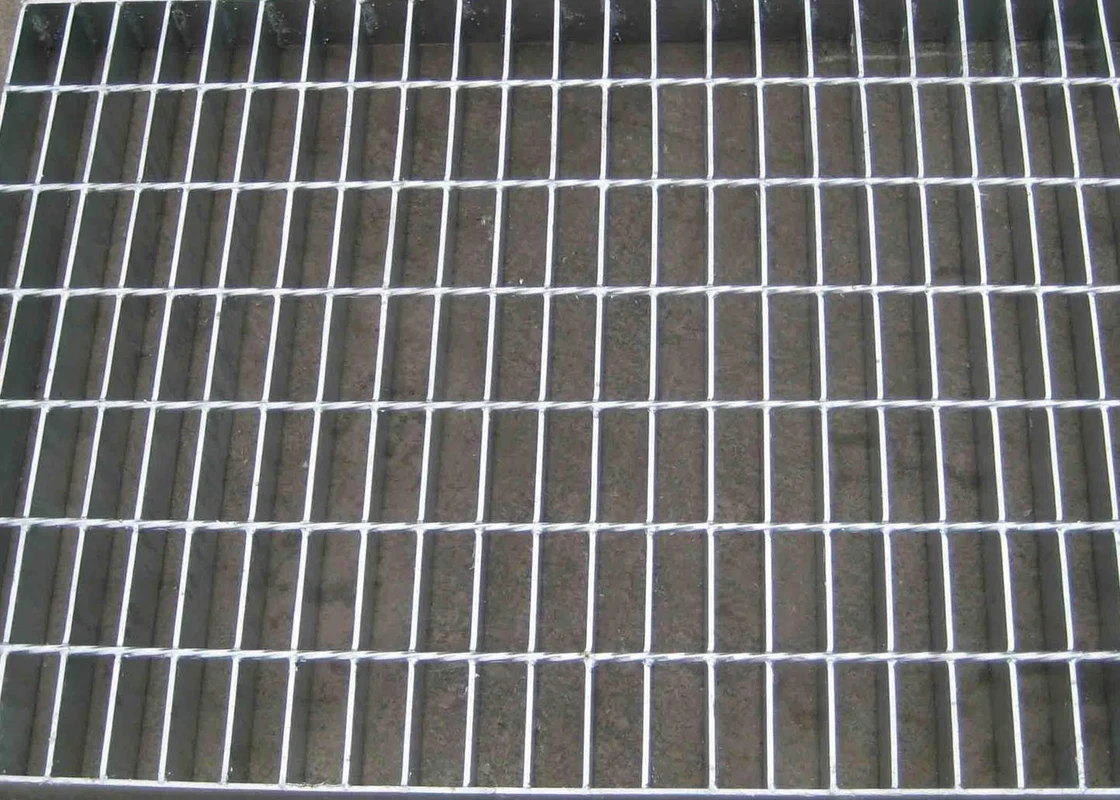
Floor drainage plays an important role in maintaining clean, safe, and functional spaces. Whether in commercial kitchens, industrial facilities, shopping centres, hospitals, or outdoor areas, an effective drainage system helps remove excess water and prevent unwanted water accumulation. Choosing the right drainage materials can also improve hygiene, reduce maintenance requirements, and support long-term performance.
Stainless steel floor grates are a popular choice for modern drainage systems because they combine strength, corrosion resistance, and a practical design. They allow water to flow into drainage channels while helping prevent larger debris from entering the system. Their durable construction makes them suitable for areas exposed to moisture, regular cleaning, and heavy foot traffic.
Understanding their benefits, applications, and selection criteria can help property owners, builders, and facility managers make informed decisions when planning or upgrading drainage systems.
What Are Stainless Steel Floor Grates?
Floor grates are removable or fixed covers installed over drainage channels and floor outlets. Their primary purpose is to allow water to pass through while providing a stable surface for people, equipment, and everyday activities.
These drainage covers are commonly manufactured using stainless steel because the material offers excellent resistance to moisture, rust, and general wear. Depending on the application, they are available in different sizes, shapes, thicknesses, and surface patterns.
Some designs feature narrow slots, while others use perforated or patterned surfaces to support efficient water movement. The right design depends on drainage requirements, expected traffic, and the surrounding environment.
What Are the Main Benefits of Stainless Steel Drainage Grates?
Selecting suitable drainage covers can make a noticeable difference in the performance and maintenance of a property. Here are some important benefits.
Excellent Corrosion Resistance
Drainage systems are regularly exposed to water, cleaning products, and environmental moisture. Ordinary materials may deteriorate over time when they remain in wet conditions.
Stainless steel contains chromium, which helps form a protective surface layer that improves resistance to corrosion. This makes it a suitable option for kitchens, washrooms, food processing facilities, and outdoor drainage areas.
However, the appropriate stainless steel grade should be selected according to the level of chemical exposure, moisture, and environmental conditions.
Strong and Durable Construction
Floor drainage covers need to withstand regular use without becoming damaged or unstable. In commercial and industrial environments, they may also experience repeated loads from equipment, trolleys, and cleaning machinery.
Stainless steel provides good structural strength and can handle demanding applications when the correct thickness, design, and load rating are selected.
This durability helps reduce the need for frequent replacements and supports the long-term performance of drainage installations.
Improved Drainage Performance
Efficient water removal is essential in areas where spills, washing, or regular cleaning are common. A properly designed grate allows water to enter the drainage channel while maintaining a functional floor surface.
The opening size, spacing, and overall design influence how efficiently water passes through the cover. Selecting an appropriate design helps minimise water pooling and supports better drainage performance.
Easy Cleaning and Maintenance
Hygiene is particularly important in commercial kitchens, healthcare facilities, and food preparation environments.
Smooth stainless steel surfaces are generally easier to clean than many porous materials. Removable designs also provide convenient access to drainage channels, allowing maintenance teams to remove accumulated debris and inspect the system.
Regular cleaning helps prevent unpleasant odours, blockages, and hygiene problems.
A Clean and Professional Appearance
In addition to functionality, drainage products contribute to the overall appearance of a commercial or residential space.
Stainless steel has a clean, modern finish that complements contemporary flooring, commercial interiors, and industrial environments. Different surface finishes and designs allow property owners to select products that match their practical and aesthetic requirements.
Where Are Stainless Steel Floor Grates Commonly Used?
These drainage products are suitable for several environments where water management and durability are important.
Commercial Kitchens and Restaurants
Commercial kitchens experience frequent washing, food preparation spills, and regular floor cleaning. Proper drainage helps remove excess water and supports a cleaner working environment.
Industrial and Manufacturing Facilities
Factories and manufacturing plants may experience water spills, equipment cleaning, and heavy floor traffic. Strong drainage covers help protect drainage channels while supporting everyday operations.
Hospitals and Healthcare Facilities
Healthcare environments require effective cleaning practices and well-maintained drainage systems. Suitable floor drainage products can support hygiene and help manage water in designated wet areas.
Swimming Pools and Outdoor Areas
Swimming pool surrounds, outdoor showers, and recreational facilities often experience continuous moisture. Corrosion-resistant drainage materials are useful in these environments, although the grade must be suitable for exposure to pool chemicals and chlorides.
Bathrooms and Commercial Washrooms
Bathrooms and washrooms require reliable drainage to prevent water from collecting on floors. Properly designed covers support efficient water removal and make routine maintenance easier.
How Do You Choose the Right Floor Drainage Grate?
Choosing the right product involves more than considering its appearance. Several technical and practical factors should be evaluated before purchasing.
Consider the Stainless Steel Grade
Different stainless steel grades offer different levels of corrosion resistance.
Grade 304 is commonly used in general indoor environments where exposure to corrosive substances is limited. Grade 316 offers improved resistance to chlorides and is often preferred for marine, coastal, and more chemically demanding environments.
The correct grade depends on the installation location and expected exposure.
Check the Load-Bearing Capacity
The grate must safely support the expected weight and traffic in the installation area.
For example, a residential bathroom has different loading requirements from a commercial kitchen or industrial warehouse. Always check the manufacturer's load specifications and ensure the supporting frame and installation are suitable for the intended application.
Evaluate the Opening Size and Pattern
The spacing between openings affects drainage efficiency, debris collection, and pedestrian safety.
Smaller openings may help prevent larger debris from entering the drainage system, while wider openings may allow faster water movement in certain applications. The design should also reduce potential trip hazards and suit the type of footwear or equipment used in the area.
Measure the Drainage Channel Correctly
Accurate measurements are essential for a proper fit. Check the channel width, length, depth, and frame dimensions before selecting a replacement or new installation.
An incorrectly sized cover may become unstable, create gaps, or interfere with drainage performance.
Consider Cleaning and Maintenance Needs
Choose a design that allows convenient access to the drainage channel. Removable covers can make inspections and cleaning easier, particularly in environments where debris and residue accumulate frequently.
How Should Stainless Steel Floor Grates Be Maintained?
Although stainless steel is durable, regular maintenance is necessary to preserve its appearance and performance.
A simple maintenance routine should include:
Remove leaves, food particles, dirt, and other debris regularly.
Clean surfaces using mild detergent and clean water.
Avoid harsh cleaning chemicals that may damage the protective surface.
Inspect the grate for visible damage, loose fittings, or corrosion.
Check drainage channels for blockages and standing water.
Ensure covers remain properly positioned and stable.
In environments with frequent chemical exposure or saltwater contact, inspections may need to be more regular. Following manufacturer cleaning recommendations can also help maintain the material's condition.
Are Stainless Steel Floor Grates Better Than Other Materials?
The right drainage material depends on the environment, budget, and performance requirements.
Plastic drainage covers are lightweight and may be suitable for low-load residential applications. However, they may not provide the same structural strength as metal alternatives.
Galvanised steel offers strength and protective coating, but its corrosion resistance may reduce if the coating becomes damaged.
Stainless steel provides a combination of strength, corrosion resistance, cleanability, and appearance. Although its initial purchase price may be higher, its durability can make it a practical long-term investment in demanding environments.
Frequently Asked Questions
Are stainless steel drainage grates rust-proof?
Stainless steel is highly resistant to corrosion but is not completely rust-proof. Exposure to chlorides, harsh chemicals, and unsuitable cleaning products can cause staining or corrosion. Selecting the correct grade and maintaining the surface helps reduce these risks.
Which stainless steel grade is best for floor drainage?
Grade 304 is suitable for many general indoor applications, while Grade 316 provides better resistance to chlorides and more aggressive environments. The best choice depends on the installation conditions.
Can stainless steel grates support heavy loads?
Yes, appropriately designed products can support substantial loads. However, capacity depends on material thickness, construction, support spacing, and installation. Always check the manufacturer's load rating before selecting a product.
How often should drainage grates be cleaned?
Cleaning frequency depends on the location and amount of debris or water exposure. Commercial kitchens and industrial facilities may require daily cleaning, while residential applications may need less frequent maintenance.
Are stainless steel drainage covers suitable for outdoor use?
Yes, they can be used in outdoor environments. However, the material grade should match the local conditions, especially in coastal areas or locations exposed to saltwater and harsh weather.
Conclusion
An effective floor drainage system helps maintain cleanliness, improve safety, and protect buildings from unwanted water accumulation. Choosing durable drainage materials is an important part of creating a reliable system for residential, commercial, and industrial properties.
Stainless steel floor grates offer several practical advantages, including corrosion resistance, structural strength, easy cleaning, and a modern appearance. By considering the material grade, load-bearing capacity, opening design, measurements, and maintenance requirements, property owners and contractors can select a suitable solution for their drainage needs.