How Can A Coloured Concrete Driveway Improve Your Home’s Street Appeal?
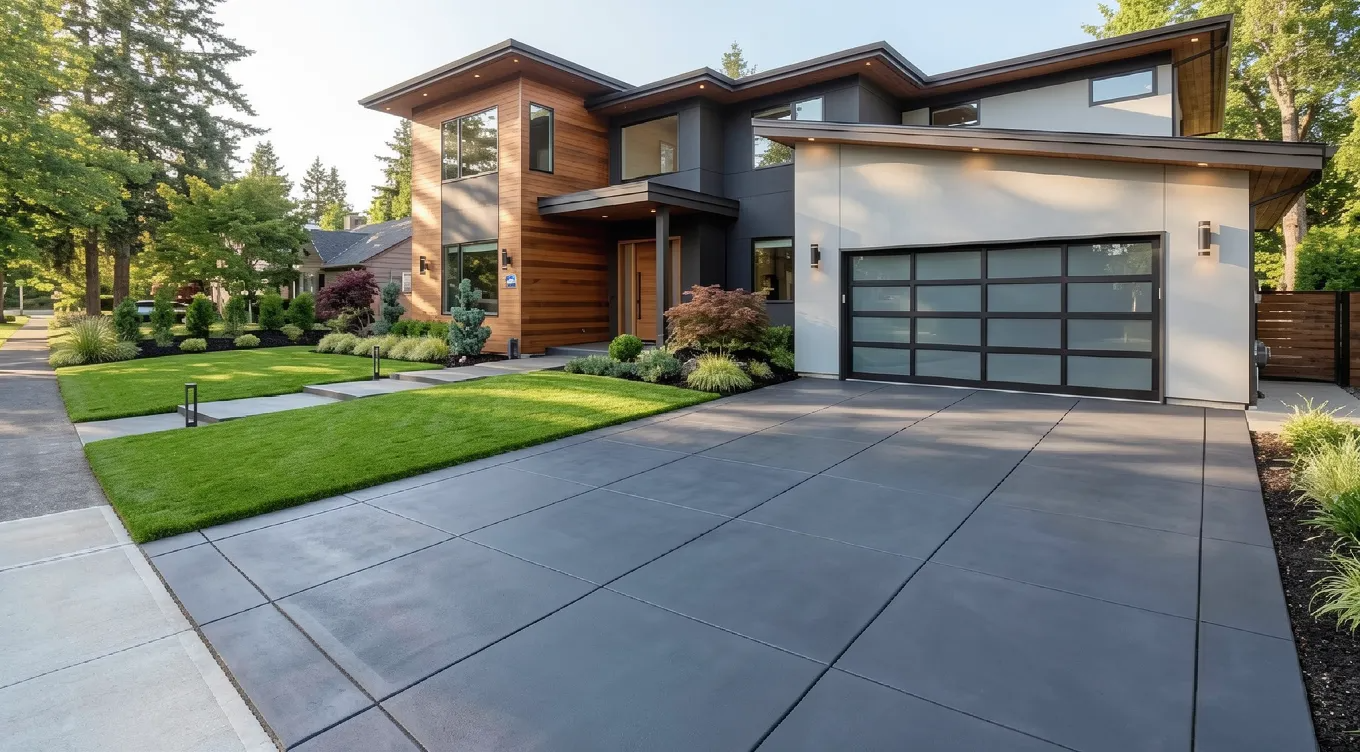
A driveway is one of the first features people notice when approaching a property. Its appearance can influence the overall look of your home while providing a practical surface for everyday vehicle access. Choosing a coloured concrete driveway is an effective way to combine durability with visual appeal, giving homeowners more design flexibility than a standard plain concrete finish.
Coloured concrete is available in a variety of shades and finishes, making it easier to coordinate the driveway with exterior walls, garden features, pathways and landscaping. Whether you prefer a subtle neutral tone or a more distinctive colour, the right choice can help create a welcoming and well-presented entrance. Understanding the available options, installation process and maintenance requirements can help you make a suitable decision for your property.
What Is Coloured Concrete?
Coloured concrete is concrete that has been given a specific shade using pigments. These pigments are generally added during the mixing process or applied to the surface, depending on the chosen colouring method.
Integral colouring adds pigment throughout the concrete mix, while surface colouring creates colour closer to the top layer. Each method has different characteristics, so the most suitable option depends on the desired appearance, project requirements and installation conditions.
Coloured finishes are commonly used for driveways, pathways, patios, outdoor entertaining areas and other residential surfaces. They provide an alternative to plain grey concrete without changing the basic purpose of the material.
What Are the Benefits of a Coloured Concrete Driveway?
Choosing a coloured finish offers several practical and visual advantages.
Improved Street Appeal
A well-designed driveway can make a property look more complete and visually attractive. Colour helps connect the driveway with other exterior elements, such as roof tiles, brickwork, fencing and garden features.
Neutral shades often create a timeless appearance, while darker tones can provide contrast against lighter exterior walls. Selecting a colour that complements the house helps maintain a balanced design.
Different Design Options
Coloured concrete offers flexibility when planning outdoor spaces. Homeowners can explore earthy tones, charcoal shades, warm browns, terracotta-inspired colours and other options.
Some projects also combine colours with exposed aggregate, stamped patterns or decorative borders. These combinations can create a more detailed finish while maintaining a practical concrete surface.
Durable Surface
Concrete is widely used for driveways because it provides a solid surface suitable for regular vehicle traffic when properly designed and installed. Its performance depends on factors such as the concrete mix, slab thickness, reinforcement, ground preparation and drainage.
Choosing suitable materials and professional installation helps support the long-term performance of the driveway.
Easier Design Coordination
A coloured finish can help connect different outdoor areas. For example, the driveway colour may complement a front pathway, garden edging or patio surface.
Using coordinated colours throughout the exterior can create a consistent appearance without making every surface look identical.
Which Colours Are Suitable for Residential Driveways?
The best colour depends on your home's exterior, landscaping and personal preferences. Some popular choices include:
Charcoal: Creates a contemporary appearance and contrasts well with lighter walls.
Light grey: Offers a simple, understated finish that suits many architectural styles.
Sand and beige: Work well with natural stone, cream walls and earthy landscaping.
Brown: Provides a warm appearance that complements timber and brick features.
Terracotta: Adds a distinctive earthy tone to traditional and Mediterranean-inspired homes.
Before selecting a colour, consider how it may look in direct sunlight and shade. Viewing samples outdoors can help you understand how natural lighting affects the final appearance.
What Should You Consider Before Installation?
Proper planning is essential for achieving a driveway that looks attractive and performs well.
Ground Preparation
The existing ground should be assessed and prepared before concrete is poured. Poor soil conditions, inadequate compaction or an unsuitable base can contribute to movement and cracking.
The preparation method should suit the site conditions and expected vehicle use.
Drainage and Slope
Driveways should be designed to direct rainwater away from the home and other sensitive areas. Appropriate grading and drainage help reduce water pooling and potential surface problems.
Concrete Thickness and Reinforcement
The required slab thickness and reinforcement depend on the driveway design, ground conditions and expected traffic. Areas used by heavier vehicles may require additional engineering considerations.
Colour Selection
Choose a shade that works with the property's exterior and surrounding landscape. Ask the contractor about available samples and the colouring method being used.
It is also important to understand that the final shade may vary slightly depending on mixing, weather, curing and finishing conditions.
How Is Coloured Concrete Installed?
The installation process generally begins with measuring the driveway area, assessing the ground and preparing the base. Formwork is then positioned to define the slab shape and levels.
Concrete is mixed with the selected pigment when integral colouring is used. The material is poured, spread and finished to achieve the required surface texture and slope.
After finishing, the concrete needs suitable curing conditions to develop its strength. Depending on the product and installation method, a compatible sealer may also be applied to help protect the surface and maintain its appearance.
Following the contractor's curing and usage instructions is important. Allowing the concrete to reach the required stage before vehicle access can help prevent early damage.
How Can You Maintain a Coloured Concrete Driveway?
Regular maintenance helps keep the surface looking presentable. Sweep away leaves, dirt and loose debris to prevent build-up. Clean spills promptly using products suitable for the concrete finish.
Avoid harsh chemicals or abrasive cleaning methods unless they are approved for the surface. If the driveway has been sealed, follow the manufacturer's recommendations for cleaning and resealing.
It is also helpful to check for cracks, drainage issues and areas where water regularly collects. Addressing small concerns early may help prevent more extensive repairs.
Frequently Asked Questions
Does coloured concrete fade over time?
Colour may change gradually due to sunlight, weather exposure, wear and maintenance practices. Integral colouring distributes pigment throughout the concrete, while surface-applied colour may be more dependent on the condition of the top layer.
Is coloured concrete suitable for sloping driveways?
It can be used on sloping driveways when the design includes appropriate drainage, surface texture and construction methods. A contractor should assess the slope and site conditions before installation.
Is coloured concrete more expensive than plain concrete?
The cost depends on the pigment, finish, preparation work, driveway size and labour requirements. Decorative options may increase the overall project cost, so request a detailed quote before proceeding.
Can an existing concrete driveway be coloured?
Some existing concrete surfaces may be suitable for a compatible surface coating or concrete stain. The condition, cleanliness and porosity of the existing slab should be assessed first.
Conclusion
A driveway should provide a practical surface while complementing the overall appearance of your home. Coloured finishes offer a range of design choices, from subtle neutral shades to bold decorative tones. A well-planned coloured concrete driveway can improve street appeal while providing a durable surface for everyday vehicle access. By considering colour selection, ground preparation, drainage, installation quality and ongoing maintenance, homeowners can create an attractive driveway that suits their property's style and functional needs.