How an ABA Therapy Clinic Prepares Kids for School
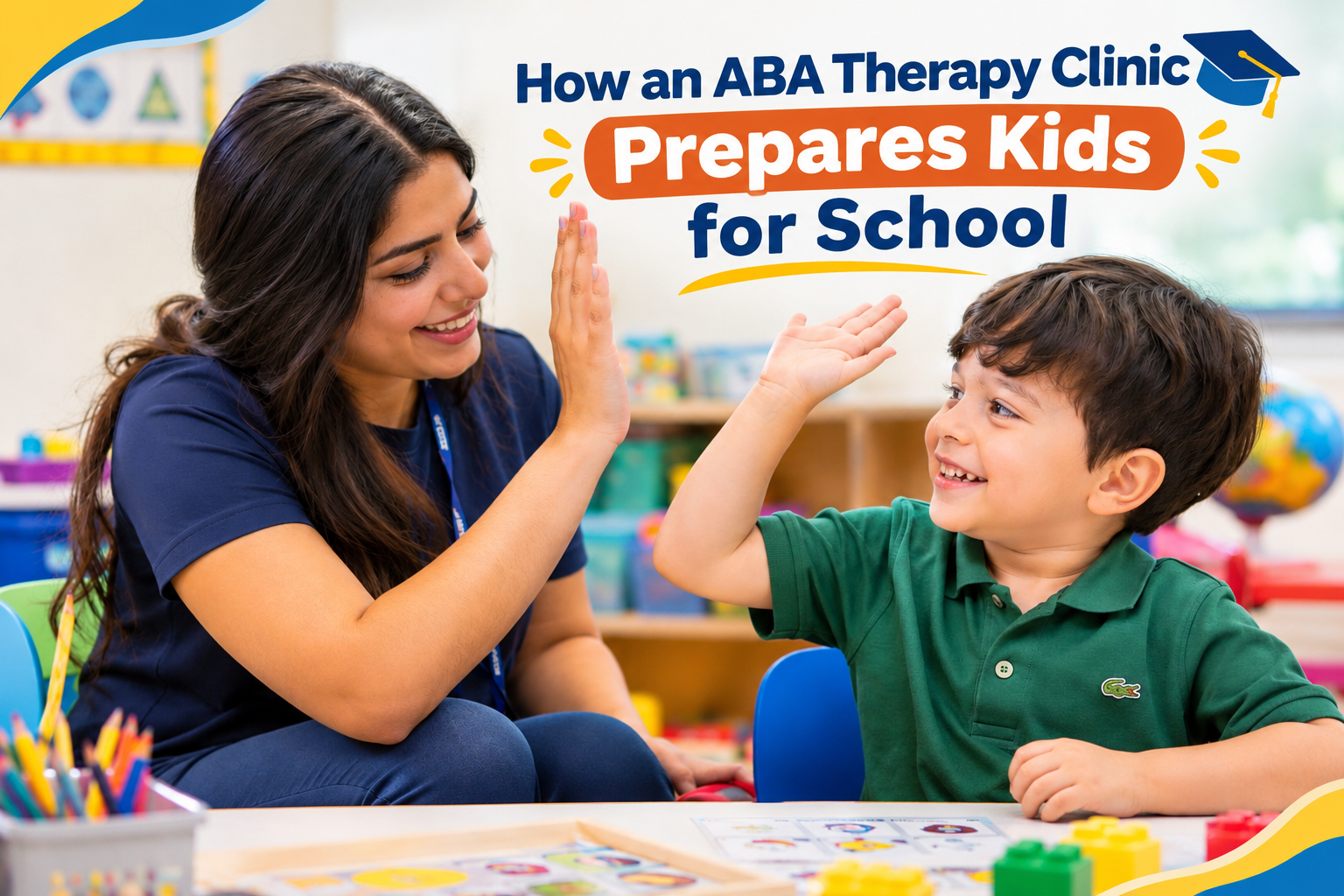
How an ABA Therapy Clinic Prepares Kids for School
Starting school is an important milestone for every child. For children with autism spectrum disorder (ASD) or developmental delays, however, the transition into a classroom environment can bring additional challenges. Communicating with teachers, interacting with classmates, following instructions, managing emotions, and becoming more independent are all essential skills for a successful school experience.
An ABA therapy clinic in Cottonwood Heights can help children develop these foundational abilities through individualized, evidence-based support. Applied Behavior Analysis (ABA) therapy focuses on understanding behavior and teaching practical skills that help children navigate everyday situations with greater confidence and independence.
Let's explore how ABA therapy helps prepare children for school and makes the transition into a structured learning environment more manageable.
1. Developing Communication Skills
Communication is one of the most important skills children need before entering school. Whether asking a teacher for help, expressing a need, answering questions, or interacting with classmates, children must have ways to communicate effectively.
ABA therapy helps children develop communication skills according to their individual abilities and needs. Therapists may use structured activities, play-based learning, visual supports, and positive reinforcement to encourage meaningful communication.
Children may learn to:
Express their needs, feelings, and preferences.
Ask and answer simple questions.
Follow verbal instructions.
Request assistance when needed.
Use words, gestures, or alternative communication methods.
These skills help children participate more actively in classroom activities and build stronger relationships with teachers and peers.
2. Building Social Skills and Peer Relationships
School is not just about academic learning. It is also an environment where children learn to interact, cooperate, share, and develop friendships.
For some children with autism, understanding social cues and participating in group activities can be challenging. ABA therapy provides opportunities to practise these interactions in a supportive environment.
Through guided activities and structured social opportunities, children can learn to:
Take turns during games and activities.
Share toys and classroom materials.
Recognize basic social cues.
Participate in group activities.
Initiate and respond to social interactions.
Respect personal space and boundaries.
Practising these skills before starting school can help children feel more comfortable interacting with classmates and participating in a classroom community.
3. Encouraging Independence in Daily Activities
Independence plays a major role in school readiness. Children are regularly expected to complete simple tasks without constant assistance from parents or teachers.
ABA therapy breaks everyday activities into smaller, achievable steps, allowing children to practise each skill at their own pace.
Depending on the child's developmental needs, therapy may focus on:
Packing and organizing school supplies.
Following a morning routine.
Washing hands independently.
Using the restroom with appropriate support.
Eating lunch and managing personal belongings.
Transitioning between activities.
Developing these practical abilities can reduce dependence on adult assistance and help children become more confident in their daily school routines.
4. Teaching Emotional Regulation and Coping Skills
A classroom can be a busy environment filled with new experiences, unexpected changes, noise, and social interactions. These situations may sometimes feel overwhelming for children who struggle with emotional regulation.
ABA therapy can help children recognize their emotions, communicate discomfort, and develop appropriate coping strategies.
Therapists may introduce techniques such as:
Identifying and expressing different emotions.
Asking for a break when feeling overwhelmed.
Using visual schedules to understand upcoming activities.
Practising transitions between tasks.
Learning appropriate ways to communicate frustration.
Developing coping strategies for unfamiliar situations.
The goal is not to prevent children from experiencing emotions but to help them express their feelings and access appropriate support.
5. Improving Classroom Readiness and Following Instructions
Classroom readiness involves more than knowing letters, numbers, or shapes. Children also need to develop the behavioral and learning skills required to participate in structured activities.
ABA therapy can introduce children to classroom-like situations through age-appropriate learning activities and individualized practice.
These activities may help children learn to:
Sit and participate during group activities.
Follow one-step and multi-step instructions.
Pay attention to age-appropriate tasks.
Wait for their turn.
Complete simple assignments.
Transition between different activities.
Respond appropriately to teacher directions.
Practising these skills in advance can make the classroom environment more familiar and help children adjust to school expectations.
6. Making the Transition to School Less Stressful
Moving from home or a therapy environment into a traditional classroom can involve significant changes. New surroundings, unfamiliar people, different routines, and increased expectations may take time to adjust to.
An individualized ABA therapy program can help prepare children for these changes by gradually introducing relevant routines and expectations.
For example, therapists may use visual schedules, role-playing, structured play, and simulated classroom activities to familiarize children with common school experiences.
When appropriate, families and therapy providers can also coordinate with school staff to support consistency between home, therapy, and the classroom.
Every child's transition is different. Some children may need additional preparation, while others may benefit from ongoing support after starting school.
Finding the Right ABA Therapy Clinic in Cottonwood Heights
Choosing an appropriate ABA therapy provider is an important decision for parents preparing their children for school.
Center-based services offer a structured environment where children can work on developmental goals through individualized activities and therapeutic support.
When researching an ABA therapy clinic in Cottonwood Heights, parents should consider providers that:
Develop individualized treatment plans based on each child's needs.
Set meaningful and measurable developmental goals.
Encourage parent and caregiver involvement.
Focus on practical communication, social, and independence skills.
Monitor progress and adjust treatment when necessary.
Respect each child's individuality, comfort, and preferences.
Parents should also ask how the clinic supports school readiness and whether therapists can coordinate with educators when appropriate.
The right therapeutic approach should focus on helping children develop useful everyday skills rather than expecting every child to follow the same developmental path.
Supporting a Positive Start to School
Preparing for school is about helping children feel more confident, communicate their needs, interact with others, and participate in everyday activities. Individualized ABA therapy can support the development of these skills through structured learning, consistent practice, and activities suited to each child's abilities.
For families in Cottonwood Heights, understanding the available center-based ABA therapy options like Little Champs ABA can help them make informed decisions about their child's developmental support. With the right approach, children can gradually build practical skills that make classroom participation and everyday school routines more manageable.With the right approach, children can gradually build practical skills that make classroom participation and everyday school routines more manageable.
Every child develops differently, and school readiness should reflect their individual strengths, needs, and pace of learning.