Yoga for Beginners: A Simple Guide to Getting Started
Yoga is a great way to care for your mind and body. It helps you move better, feel calm, and build healthy habits. The best part is that anyone can start yoga. You do not need to be flexible or strong before your first class.
Yoga combines body poses, breathing, and meditation. These steps can help improve balance, build strength, and ease daily stress. With regular practice, you can learn to move with more ease and feel more aware of your body.
1. What Is Yoga?
Yoga is an old practice that began in India. It brings together body movement, breath, and mental focus. Many people use yoga to stay fit and find peace in daily life.
There are many styles of yoga. Some focus on slow moves and deep rest. Others use more active poses to build strength and stamina. As a beginner, you can choose a style that suits your needs.
2. Benefits of Yoga for Beginners
Yoga offers many benefits when you practice it with care and at a pace that suits you.
Improves Flexibility
Yoga helps stretch your muscles and move your joints. Simple poses can help reduce stiffness and improve your range of motion over time.
Builds Strength
Many yoga poses use your own body weight. Holding these poses can help build muscle strength and improve balance.
Helps Reduce Stress
Slow breathing and gentle movement can help you relax. Yoga also gives you time to pause and focus on the present.
Supports Better Sleep
A calm yoga routine may help you relax before bed. Gentle stretches and slow breathing can help prepare your body for rest.
Improves Focus
Yoga teaches you to pay attention to your breath and movements. This can help you become more mindful in daily life.
3. Easy Yoga Poses for Beginners
You can start with a few simple poses. Move slowly and never force your body into a position.
Mountain Pose: Stand tall with your feet on the floor. Keep your back straight and relax your shoulders. Breathe slowly and feel steady.
Child's Pose: Kneel on the floor and bend forward. Rest your head on a cushion if needed. Let your body relax as you breathe.
Cat-Cow Pose: Start on your hands and knees. Slowly lift your chest, then round your back. Move with your breath to gently stretch your spine.
Tree Pose: Stand tall and place one foot against your inner calf or ankle. Keep your balance and look at one spot. Use a wall for support if needed.
Cobra Pose: Lie on your stomach and place your hands near your shoulders. Lift your chest gently without forcing your back. Keep the movement small and comfortable.
Practice each pose for a few breaths. Stop if you feel pain or dizziness.
4. How Long Should Beginners Practice Yoga?
You do not need to spend hours on yoga. Start with 10 to 15 minutes a day. This gives you time to learn basic poses and build a routine.
As you grow more comfortable, you can increase your practice to 20 or 30 minutes. You can also join a class to learn the right form and get help from a trained teacher.
The key is to practice often. A short daily session can be easier to maintain than a long session once a week.
5. What Do You Need to Start Yoga?
Yoga is easy to begin because you need very little equipment.
A yoga mat or a clean, non-slip surface.
Loose clothes that let you move with ease.
A quiet space with enough room to stretch.
Water to drink after your practice.
A cushion or yoga block for extra support, if needed.
You do not need to buy costly gear. Start with what you have and add equipment only when you need it.
6. Common Mistakes to Avoid
Many beginners feel they must perform every pose perfectly. This is not true. Yoga is about learning and progress, not competition.
Here are some common mistakes to avoid:
Pushing your body too far.
Holding your breath during poses.
Comparing yourself with other people.
Skipping rest when you feel tired.
Trying hard poses before learning the basics.
Listen to your body and take breaks when needed. If you have an injury or health concern, ask a health professional about safe ways to practice.
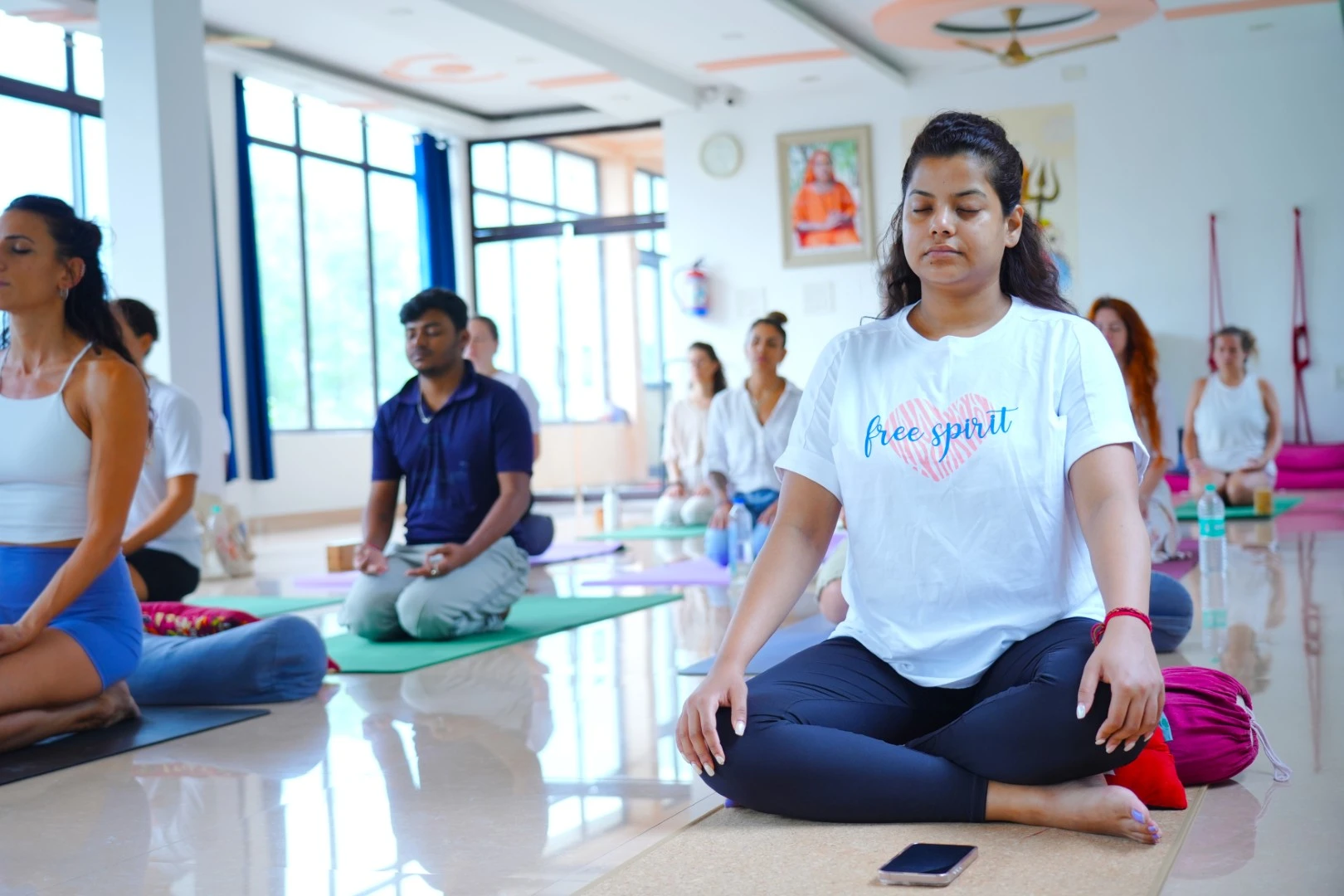
7. Learn Yoga in Rishikesh
Rishikesh is a well-known place for yoga and meditation. It sits near the River Ganges and the foothills of the Himalayas. Many students visit to learn about yoga, explore Indian traditions, and develop a regular practice.
Yoga teacher training in rishikesh can help students learn more about yoga poses, breathing, meditation, philosophy, and teaching skills. A good course can also provide guidance on safe practice and class planning.
Before you choose a school, check the course plan, teacher experience, student reviews, and certification details.
8. Choosing the Right Yoga Training Course
If you want to study yoga in depth, choose a course that fits your experience and goals.
The 200 hour yoga teacher training in rishikesh is often suitable for students who want to build a strong foundation. It may cover basic poses, breathing methods, meditation, anatomy, and teaching skills.
The 300 hour yoga teacher training in rishikesh is designed for people who have already completed foundational teacher training. It often explores advanced practice, yoga philosophy, class planning, and teaching methods.
Review the course requirements before you enroll. Make sure the program matches your learning goals and any certification standards you wish to follow.
9. A Simple Daily Yoga Plan
Here is an easy routine you can try at home:
2 minutes: Sit quietly and focus on your breath.
3 minutes: Stretch your neck, shoulders, and back.
5 minutes: Practice simple poses such as Mountain Pose and Cat-Cow.
3 minutes: Try Child's Pose or another gentle stretch.
2 minutes: Rest and breathe slowly.
Adjust the routine to your needs. Start slowly and add more time as you gain confidence.
Conclusion
Yoga is a simple way to improve movement, build strength, and find calm. Beginners can start with easy poses and short sessions at home. There is no need to rush or compare your progress with others.
Focus on your breathing, move with care, and practice on a regular basis. Over time, yoga can become a healthy habit that supports your mind and body.