What Should You Consider Before Planning Kitchen Renovations In Western Sydney?
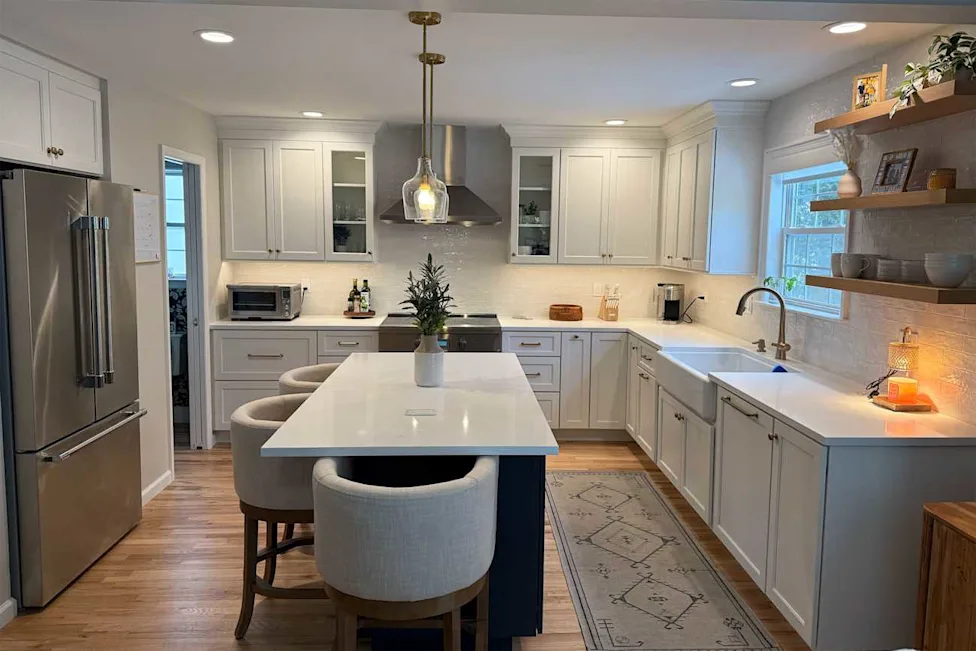
The kitchen is one of the most frequently used spaces in any home. It is where families prepare meals, spend time together and manage everyday activities. A well-designed kitchen should offer practical storage, comfortable movement, suitable lighting and a layout that supports daily routines. However, an outdated or poorly organised kitchen can make even simple tasks difficult. Planning kitchen renovations in Western Sydney allows homeowners to improve functionality, refresh the appearance of their interiors and make better use of available space.
Whether the goal is to modernise an older kitchen or create a completely new design, careful planning is essential. From selecting materials to choosing appliances, every decision contributes to the overall result. Understanding the renovation process can help homeowners make informed choices and create a kitchen that suits their lifestyle and budget.
Why Should You Consider Renovating Your Kitchen?
A kitchen renovation offers several practical benefits beyond improving the appearance of the room. It provides an opportunity to address existing problems and create a more comfortable environment.
Improve Everyday Functionality
An inefficient kitchen layout can make cooking and cleaning unnecessarily difficult. Renovation provides an opportunity to reposition appliances, improve benchtop space and create convenient working areas.
A practical layout should allow easy movement between the sink, cooktop and refrigerator. This arrangement helps streamline everyday kitchen activities.
Create More Storage Space
Insufficient storage is a common problem in older kitchens. Modern cabinetry, pull-out drawers, corner storage solutions and overhead cupboards can help homeowners organise cookware, utensils and groceries more effectively.
Using available vertical space can also make a smaller kitchen feel more organised.
Update the Overall Appearance
Old cabinets, worn benchtops and outdated splashbacks can affect the appearance of an entire home. Replacing these elements with modern finishes, suitable colours and contemporary fixtures can create a fresh and welcoming environment.
Improve Property Appeal
A well-maintained kitchen can contribute to the overall appeal of a property. Homebuyers often consider kitchen design, storage and functionality when evaluating a home. A thoughtfully planned renovation may make the property more attractive to potential buyers.
What Are the Important Features of a Modern Kitchen?
Modern kitchen design focuses on combining appearance with everyday convenience. Homeowners should consider the following features when planning an upgrade.
Functional Kitchen Layout
The layout determines how easily people can move around the kitchen. Popular options include L-shaped, U-shaped, galley and island layouts.
The most suitable design depends on the available floor space, number of users and location of existing plumbing and electrical connections.
Quality Kitchen Cabinets
Cabinetry plays an important role in both storage and appearance. Homeowners can choose from different finishes, colours and door styles to complement their interior design.
Soft-close hinges, deep drawers and practical internal organisers can improve convenience while making everyday storage easier.
Durable Benchtop Materials
Kitchen benchtops experience regular use, including food preparation, spills and heat exposure. Popular options include engineered stone, natural stone, laminate and other suitable surfaces.
Each material has different maintenance requirements, appearance and cost considerations. Comparing these features helps homeowners select an option that suits their household.
Suitable Lighting
Good lighting makes food preparation and other kitchen activities easier. A combination of general lighting, task lighting and feature lighting can create a comfortable and functional space.
Pendant lights above an island and LED lighting beneath overhead cabinets are popular choices.
How Can You Make the Most of a Small Kitchen?
A limited kitchen area does not mean homeowners need to compromise on functionality. Smart design choices can help maximise the available space.
Consider installing floor-to-ceiling cabinets to increase storage capacity. Pull-out pantry shelves can make groceries easier to access, while integrated appliances help maintain a clean and streamlined appearance.
Light colours, reflective surfaces and suitable lighting can also make a compact kitchen feel more open.
If space permits, a small breakfast counter or compact island can provide additional preparation space without overcrowding the room.
What Should You Consider When Choosing Kitchen Materials?
Material selection affects the appearance, durability and maintenance requirements of a renovated kitchen.
Before choosing materials, consider how frequently the kitchen will be used and how much maintenance is practical for your household.
Cabinets: Choose finishes that are suitable for regular cleaning and everyday use.
Benchtops: Consider durability, stain resistance and maintenance requirements.
Splashbacks: Select surfaces that are easy to clean and complement the cabinetry.
Flooring: Look for materials that offer suitable durability and slip resistance.
Handles and fixtures: Choose finishes that coordinate with the overall kitchen design.
It is also helpful to compare samples under the lighting conditions of your home before making final decisions.
How Much Should You Budget for a Kitchen Renovation?
The cost of a kitchen renovation depends on the size of the space, design complexity, material selection and amount of structural work required.
A cosmetic update involving cabinet handles, paint and selected fixtures generally requires a smaller budget than a complete renovation involving new cabinetry, benchtops, appliances, plumbing and electrical changes.
Some common expenses include:
Kitchen design and planning.
Cabinetry and installation.
Benchtops and splashbacks.
Appliances and ventilation.
Plumbing and electrical work.
Flooring and lighting.
Demolition and waste removal.
Labour and finishing work.
Homeowners should request detailed quotations and understand what is included before approving a project. Keeping an additional allowance for unexpected repairs can also help manage the budget.
Why Is Professional Planning Important?
Kitchen renovations involve several different trades and technical requirements. Professional planning helps coordinate these activities and reduces the likelihood of costly mistakes.
An experienced renovation contractor can assess the existing space, discuss design preferences and recommend suitable materials. They can also help identify potential issues involving plumbing, electrical connections, ventilation and structural changes.
Before work begins, homeowners should discuss the project timeline, installation arrangements, access requirements and any necessary approvals. In New South Wales, certain building alterations may require approval or compliance with applicable regulations, depending on the nature of the work.
How Can You Prepare Your Home Before Renovation Work Begins?
Preparing the home before construction starts can make the renovation process easier.
Start by removing cookware, appliances, groceries and personal belongings from the kitchen. Arrange a temporary cooking area if the kitchen will be unavailable for several days or weeks.
It is also useful to confirm the final design, material selections and appliance measurements before installation begins. This helps reduce delays caused by missing components or incorrect dimensions.
Homeowners should maintain communication with the contractor throughout the project to stay informed about progress and any changes to the original plan.
Conclusion
A well-planned kitchen renovation can improve functionality, increase storage, refresh interior design and make everyday household activities more convenient. From selecting durable materials to creating an efficient layout, every detail contributes to a successful result.
When planning kitchen renovations in Western Sydney, homeowners should consider their available space, lifestyle requirements, preferred finishes and overall budget. Working with experienced professionals and making informed design decisions can help create a practical, attractive kitchen that remains suitable for everyday use for years to come.