What Causes Concrete Segregation and How Can It Be Prevented?
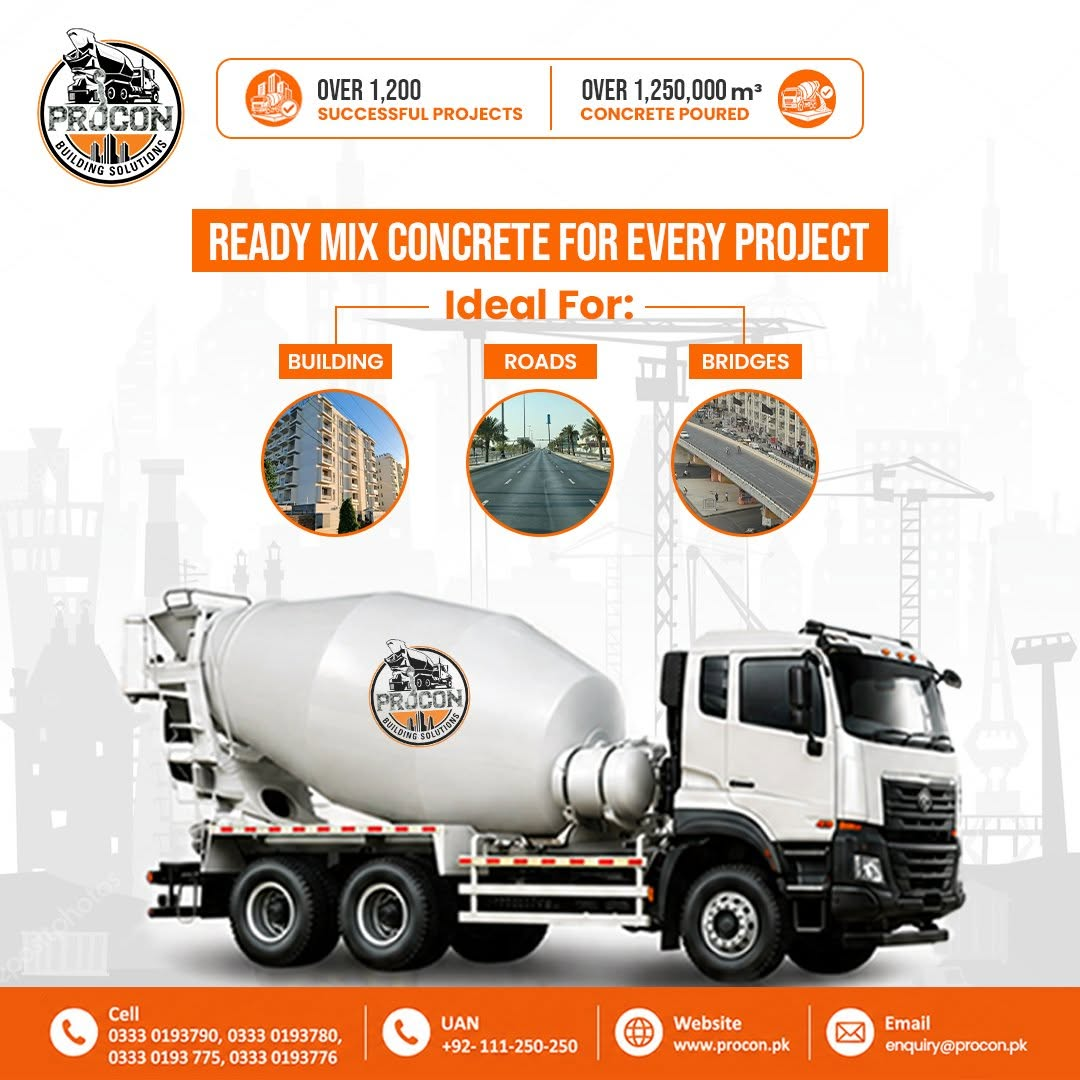
Concrete segregation is one of the most critical structural defects encountered on construction sites. It occurs when the heavier aggregate particles separate from the lighter cement-sand mortar paste, resulting in a heterogeneous and structurally compromised mix. When segregation happens, structural elements lose their uniform density, leading to honeycombing, severe loss of compressive strength, and vulnerability to moisture ingress. Understanding the root causes of segregation and implementing proper handling techniques are essential for structural integrity. By sourcing precision-engineered ready made concrete Karachi, builders ensure optimal mix cohesion, reducing the risk of separation during transport and placement.
1. Primary Causes of Concrete Segregation on Site
Segregation is generally triggered by improper handling, excessive water content, or poor mix proportioning during transport and discharge operations.
Excessive Free Water: Using an overly wet mix with a high water-cement ratio causes cement paste to fluidize excessively, allowing heavy coarse aggregates to sink to the bottom of the formwork.
Improper Discharge Heights: Dropping fresh concrete freely from excessive heights—such as dumping it directly into deep column forms from more than 1.5 to 2 meters—causes larger stones to separate from the mortar matrix upon impact.
Over-Vibration During Consolidation: Prolonged or improper use of mechanical immersion vibrators forces fine mortar to the surface while driving heavy aggregates downward and outward against formwork walls.
Excessive Transit and Handling Time: Extended transport times, aggressive drum rotation speeds, or rough transit over unpaved roads can cause premature settling and separation inside mixer trucks.
2. How Segregation Threatens Structural Integrity
The physical consequences of a segregated concrete pour directly undermine the safety and longevity of a building or infrastructure project.
Reduction in Compressive Strength: Areas lacking coarse aggregates or suffering from high mortar concentrations fail to meet design PSI ratings, resulting in localized structural weakness.
Honeycombing and Voids: Pockets of unbonded coarse gravel create internal voids that allow water and air to penetrate the concrete matrix.
Corrosion of Steel Reinforcement: Porous, segregated zones permit moisture and chlorides to reach internal steel rebar, causing rust expansion, concrete spalling, and premature structural failure.
3. Best Practices for Preventing Segregation
Preventing segregation requires disciplined oversight across every phase of construction, from batching plant dispatch to final site consolidation.
Optimizing Aggregate Grading: Utilizing well-graded, continuous aggregate distributions ensures that coarse and fine particles lock together cohesively within the cement paste.
Controlling Drop Heights and Chutes: Using elephant trunks, drop chutes, or angled tremie pipes prevents fresh concrete from hitting formwork or rebar grids at excessive speeds.
Balanced Mechanical Consolidation: Insert vibrators vertically into the concrete mix quickly and withdraw them slowly, avoiding lateral dragging or over-vibrating that forces aggregate separation.
Maintaining Strict Slump Limits: Avoid adding unauthorized water on site; instead, rely on chemical superplasticizers to increase workability while maintaining a cohesive, non-segregating mix.
4. The Advantage of Automated Central Batching
Mitigating segregation begins long before concrete arrives at the job site. Traditional hand-mixing and uncalibrated site operations frequently produce erratic mixes prone to bleeding and separation. Computerized batching facilities ensure precise aggregate proportioning, consistent cement-to-water ratios, and uniform consistency batch after batch. This industrial-grade precision provides site crews with stable, cohesive material that resists separation during demanding placement operations.
Conclusion
Concrete segregation is a preventable defect that jeopardizes the load-bearing capacity and durability of buildings when mishandled. By understanding the mechanical causes of separation—such as excessive drop heights, over-vibration, and uncalibrated water addition—construction teams can adopt rigorous placement protocols. Sourcing consistent, high-workability mixes from a reliable supplier of ready made concrete Karachi ensures that every batch maintains structural homogeneity from the mixer drum to the final formwork. Prioritizing disciplined handling and quality-controlled materials remains the cornerstone of safe, long-lasting construction.
Survey No. 423, Ibrahim Hydri, behind Bol head quarter, Korangi creek road, Karachi-74900
+92 21 111 250 250