What Is A Grease Cartridge And How Is It Used For Lubrication?
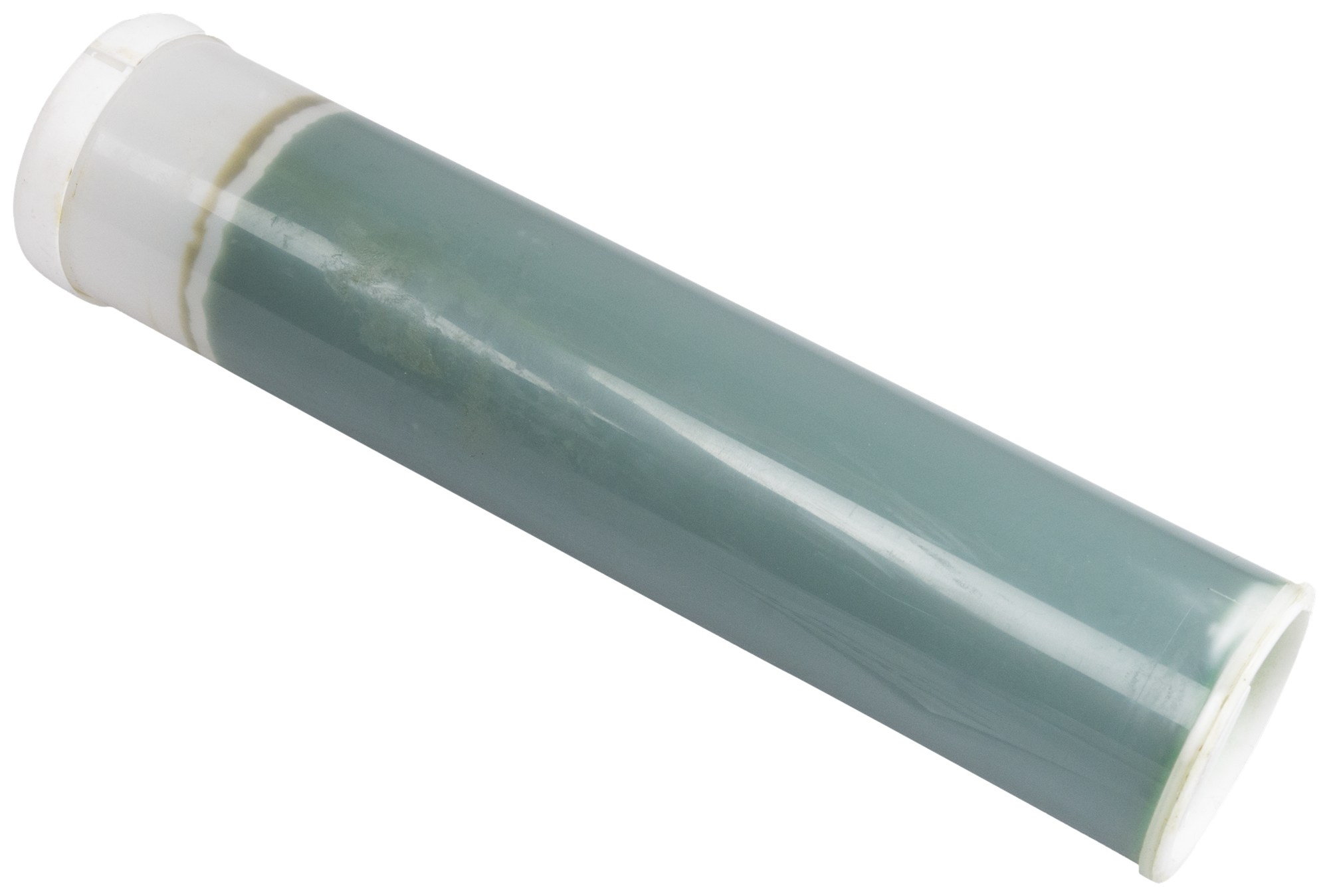
A grease cartridge is an essential component used in lubrication systems to deliver grease to machinery parts that require regular maintenance. It helps reduce friction, minimise wear, and support the smooth operation of mechanical equipment. From automotive workshops to industrial facilities, grease cartridges make lubrication easier, cleaner, and more controlled.
Understanding how a grease cartridge works, where it is used, and how to select the right type helps businesses maintain equipment efficiently and reduce unnecessary maintenance issues.
What Is a Grease Cartridge?
A grease cartridge is a cylindrical container filled with lubricating grease designed to fit into compatible grease guns or lubrication equipment. It allows users to apply grease directly to bearings, joints, gears, and other moving components without handling grease manually.
These cartridges are commonly available in different sizes, grease formulations, and packaging types to suit various maintenance requirements. Their enclosed design helps protect the grease from dirt, moisture, and other contaminants during storage and use.
How Does a Grease Cartridge Work?
The cartridge is inserted into a grease gun, which uses mechanical pressure to push grease through a nozzle. The nozzle is connected to a lubrication point, allowing grease to reach the required component.
The basic process involves:
Removing the grease gun's empty or used cartridge.
Installing a new cartridge according to the manufacturer's instructions.
Connecting the grease gun nozzle to the lubrication point.
Applying the required amount of grease using controlled pressure.
Disconnecting the nozzle and cleaning any excess grease.
This process allows maintenance workers to lubricate equipment with greater control while reducing grease wastage and mess.
Where Are Grease Cartridges Commonly Used?
Grease cartridges are used across many industries where machinery contains moving parts that require lubrication. Their practical design makes them suitable for regular maintenance and servicing.
Automotive Workshops
Automotive technicians use grease cartridges when servicing vehicle components such as wheel bearings, suspension joints, chassis fittings, and other greaseable parts. Proper lubrication helps reduce friction and supports the performance and durability of vehicle components.
Industrial Machinery
Manufacturing equipment, conveyors, motors, bearings, and heavy-duty machinery often require periodic lubrication. Grease cartridges help maintenance teams apply grease efficiently during scheduled servicing.
Construction Equipment
Excavators, loaders, tractors, and other construction machinery operate under demanding conditions. Lubrication helps protect moving components from excessive friction, dust exposure, and premature wear.
Agricultural Equipment
Farm machinery frequently operates in dusty, muddy, and outdoor environments. Regular lubrication helps maintain mechanical parts and supports reliable operation during demanding agricultural activities.
What Are the Benefits of Using Grease Cartridges?
Using cartridge-based lubrication offers several practical advantages for maintenance teams and equipment operators.
Cleaner Grease Handling
The enclosed packaging reduces direct contact with grease, helping keep hands, tools, and work areas cleaner during maintenance.
Controlled Application
A compatible grease gun allows grease to be applied directly to lubrication points. This supports more accurate application and reduces unnecessary grease consumption.
Convenient Storage
Cartridges are easier to store, transport, and organise than open grease containers. Their sealed packaging also helps protect the lubricant from external contaminants.
Reduced Maintenance Effort
A cartridge system simplifies the lubrication process, making routine servicing easier for technicians working with multiple machines or equipment types.
How to Choose the Right Grease Cartridge
Selecting the correct cartridge involves more than choosing a convenient size. The lubricant must suit the equipment and its operating conditions.
Consider the following factors before purchasing:
Grease type: Check whether the equipment requires lithium, lithium complex, calcium-based, or another grease formulation.
NLGI grade: Select the consistency recommended by the equipment manufacturer.
Operating temperature: Ensure the grease is suitable for the temperature range in which the machinery operates.
Compatibility: Avoid mixing incompatible grease types, as this may affect lubrication performance.
Cartridge size: Confirm that the cartridge fits the grease gun being used.
Application requirements: Consider exposure to water, dust, pressure, vibration, and heavy loads.
Following the equipment manufacturer's lubrication guidelines is important for selecting an appropriate grease and preventing maintenance-related problems.
Common Mistakes to Avoid When Using Grease Cartridges
Incorrect lubrication practices may affect equipment performance and increase maintenance requirements. Using the wrong grease, applying excessive amounts, or overlooking lubrication schedules are common mistakes.
Always clean the lubrication point before applying grease to prevent dirt from entering the component. Avoid over-greasing bearings and joints, as excessive grease may create heat, pressure, or unnecessary lubricant leakage.
It is also important to check the cartridge condition before installation. Damaged packaging, incorrect storage, or contamination may affect grease quality.
Conclusion
Grease cartridges provide a practical and efficient way to lubricate machinery, vehicles, construction equipment, and industrial components. Their convenient packaging, cleaner handling, and controlled application make them a useful choice for regular maintenance activities.
Choosing the right grease formulation, cartridge size, and compatible grease gun helps support effective lubrication and equipment longevity. By following proper maintenance practices, businesses and technicians may reduce friction-related wear, maintain machinery performance, and keep equipment operating smoothly.