Drum Lessons in Rochester: A Beginner’s Guide to Learning Drums
Learning to play the drums is an exciting way to develop musical skills, improve coordination, and express creativity through rhythm. Whether you dream of performing with a band, playing along to your favorite songs, or discovering a new hobby, drum lessons in Rochester can help you build the confidence and technique needed to get started. With supportive instruction and consistent practice, students of different ages and experience levels can learn to keep time, develop rhythmic accuracy, and enjoy making music.
Drumming is about much more than hitting a drum in time. It involves listening, coordination, timing, concentration, and an understanding of how rhythm supports an entire musical performance. Choosing the right lessons can help beginners develop these skills gradually while giving experienced players opportunities to refine their technique. By understanding what effective drum education involves, you can make an informed decision about the learning experience that best suits your goals.
Why Learning Drums Is Beneficial for Children and Adults
The drums are an engaging instrument for students who enjoy movement, energy, and rhythm. Unlike instruments that primarily focus on melody and harmony, drums provide the rhythmic foundation that helps keep music organised and brings different instruments together. Students learn how individual beats combine into patterns, how accents shape a groove, and how tempo influences the overall feel of a song.
For children, drumming can support hand-eye coordination, concentration, listening skills, and patience. Playing a steady beat while coordinating different limbs challenges the brain to process several actions at once. Regular lessons also encourage children to practise consistently, follow instructions, and work towards achievable goals. As their abilities improve, learning a new rhythm or playing an entire song can provide a valuable boost in confidence.
Adults can also benefit from drum lessons, whether they are complete beginners or musicians looking to expand their abilities. Playing drums offers a creative outlet, an opportunity to develop musical awareness, and a satisfying way to engage with favorite genres. From rock and pop to jazz, funk, and blues, drumming offers a wide range of styles to explore. Students do not need previous musical experience to begin learning the fundamentals.
What to Expect from Drum Lessons in Rochester
When exploring drum lessons in Rochester, look for instruction that combines practical playing with a clear understanding of rhythm and technique. Beginners usually start by learning how to hold drumsticks correctly, maintain a relaxed posture, and strike the drum with control. These foundational skills help students produce a consistent sound while reducing unnecessary tension in their hands and arms.
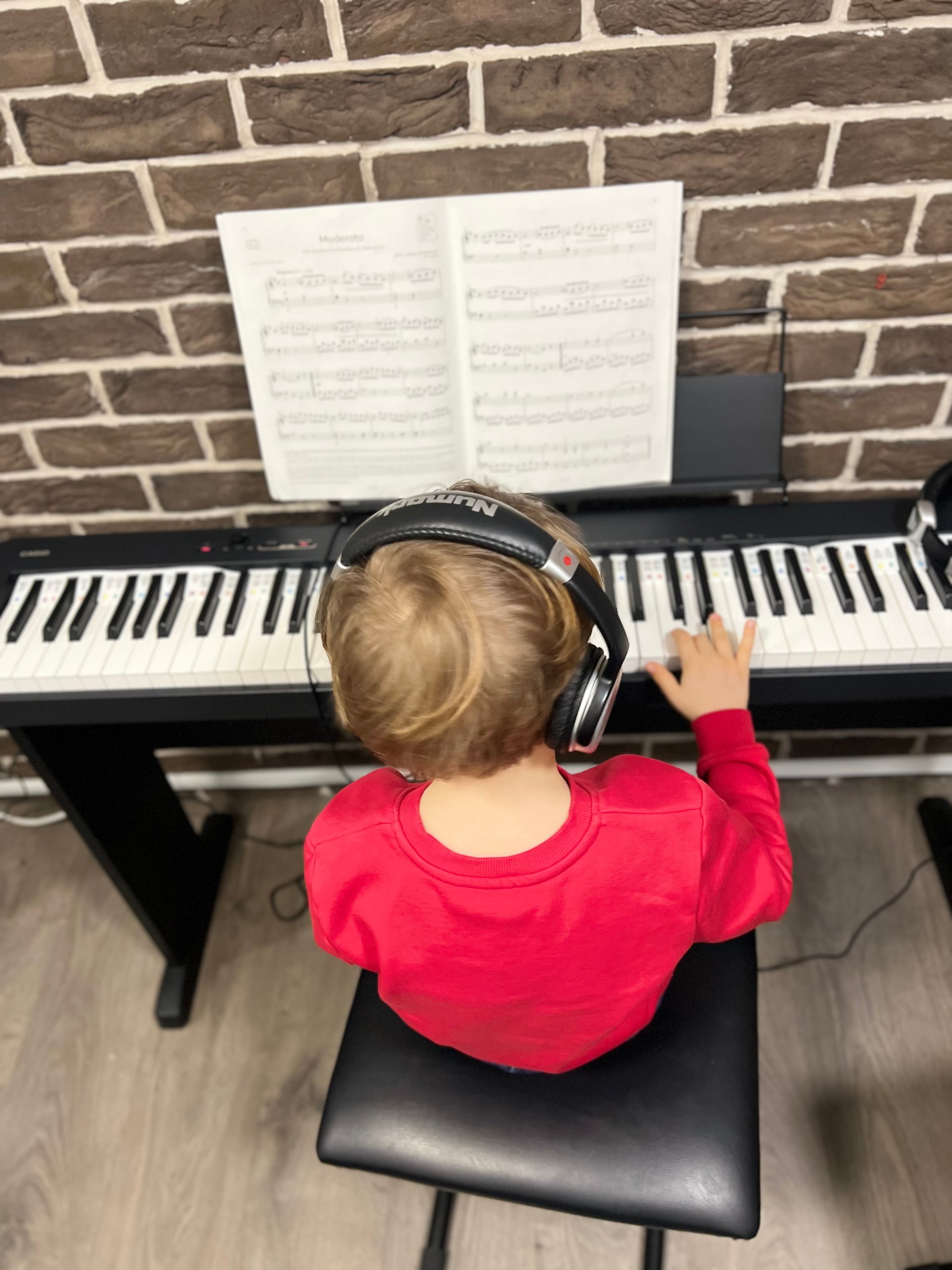
Early lessons may introduce basic counting, simple rhythms, steady beats, and coordination exercises. Students gradually learn to combine different patterns, maintain a consistent tempo, and move between the snare drum, bass drum, hi-hat, and other parts of a drum kit. Once these skills become more comfortable, lessons can progress to fills, dynamic control, more complex grooves, and different musical styles.
A good instructor adjusts the pace according to each student's abilities. Some learners quickly understand rhythmic patterns but need more time coordinating their hands and feet. Others may have natural timing but require additional guidance with technique or reading drum notation. Personalised instruction helps students work through these challenges without feeling rushed, creating a stronger foundation for long-term improvement.
How to Choose the Right Drum Teacher
The quality of instruction can significantly influence how quickly students develop confidence and enjoy playing. When choosing a drum teacher, look for someone who communicates clearly, demonstrates techniques effectively, and provides constructive feedback. Beginners often need repetition and encouragement, so a patient teaching approach can make challenging exercises feel manageable.
It is also helpful to consider the student's musical interests. Someone who enjoys rock music may want to learn powerful grooves, energetic fills, and the rhythmic patterns used in popular songs. A student interested in jazz may benefit from exploring swing rhythms, ride cymbal patterns, and improvisation. Those drawn to funk or pop can focus on groove, timing, and playing consistently with other musicians.
Lesson format is another important consideration. Individual sessions provide opportunities for focused feedback and exercises tailored to the student's needs. Group lessons can introduce collaboration and help learners understand how rhythm works within an ensemble. The right option depends on the student's age, experience, schedule, and preferred learning environment.
Practical considerations matter, too. Ask how lessons are structured, what equipment students need, and how progress is evaluated. Beginners may not need a full acoustic drum kit immediately, as a practice pad and drumsticks can help them develop basic stick control. An instructor can recommend suitable equipment as the student's skills and commitment grow.
Developing Effective Drum Practice Habits
Consistent practice is essential for improving timing, coordination, and control. Beginners often make better progress with short, focused sessions than with occasional long practices that lead to fatigue. Starting with 10 to 20 minutes on most days can help establish a routine while allowing students to concentrate on specific skills.
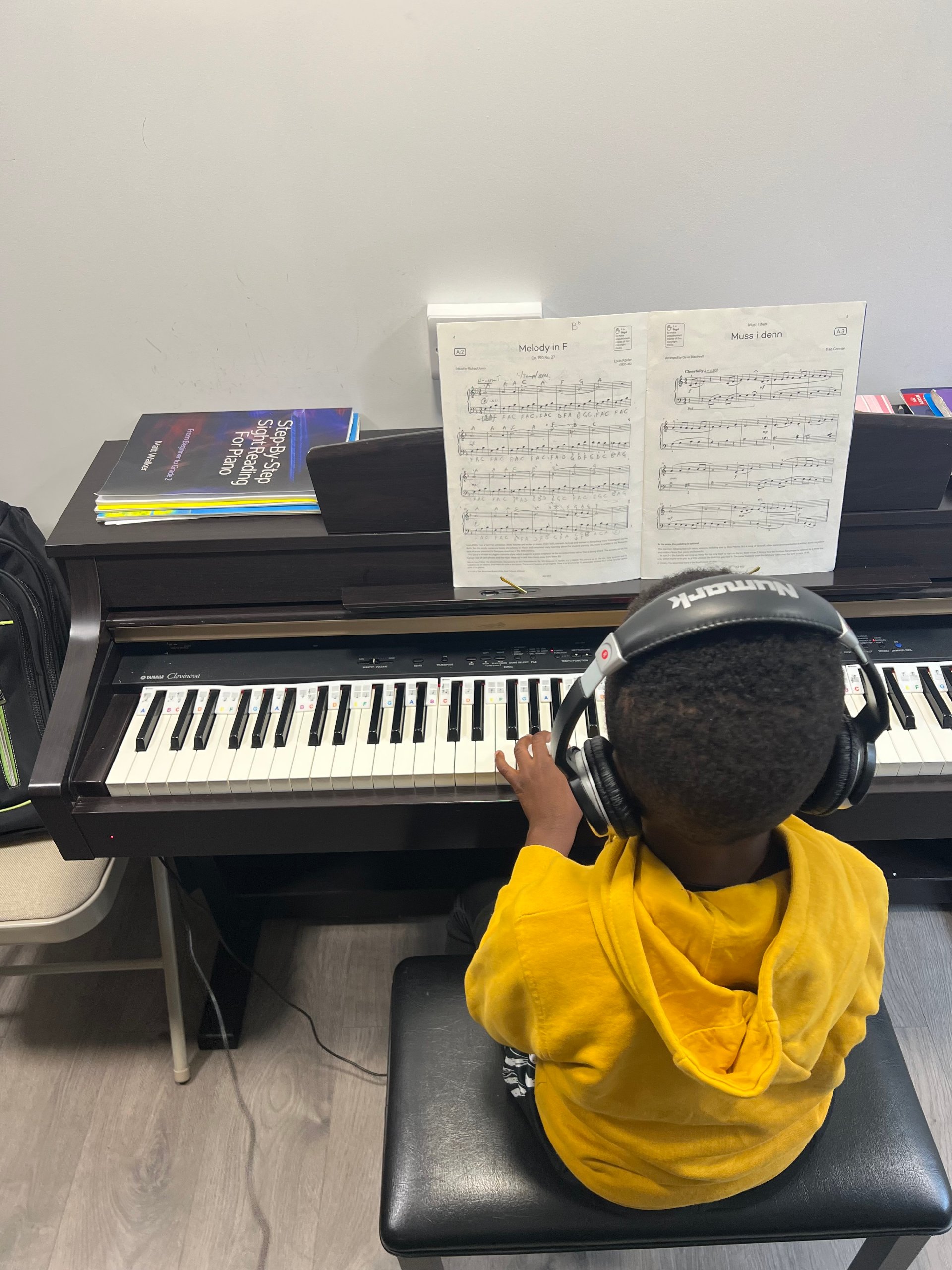
A practice session might begin with basic sticking exercises, followed by simple rhythms played slowly and evenly. Using a metronome can help students develop a reliable internal sense of timing and recognise when they are speeding up or slowing down. As accuracy improves, they can gradually increase the tempo. Recording practice sessions can also reveal areas that need attention, including uneven beats or transitions that feel uncomfortable.
It is important to practise carefully rather than simply playing faster. Relaxed technique, controlled movements, and consistent sound are more valuable than rushing through exercises. Students should also protect their hearing when playing drums, particularly during longer sessions or when practising on a full acoustic kit. Proper hearing protection helps make regular practice safer and more comfortable.
Parents can encourage young drummers by establishing a realistic practice schedule and celebrating improvements. Adults can use the same approach by setting achievable goals, such as learning a basic beat, playing along with a favorite song, or mastering a smooth transition between rhythms. These small milestones make progress easier to recognise and sustain motivation.
Learn and Grow with Harmony Flow Music Academy
Finding an encouraging learning environment can make drum education more enjoyable and productive. Students benefit from lessons that build technical skills while allowing them to explore their musical interests. A balanced approach gives beginners the structure they need without making practice feel like a chore, while more experienced learners can continue refining their abilities through increasingly challenging material.
Harmony Flow Music Academy offers music education for children and adults, supporting students as they explore instruments and develop their musical skills. For aspiring drummers, a structured learning experience can provide a foundation in rhythm, coordination, and technique while helping them discover the styles of music they enjoy.
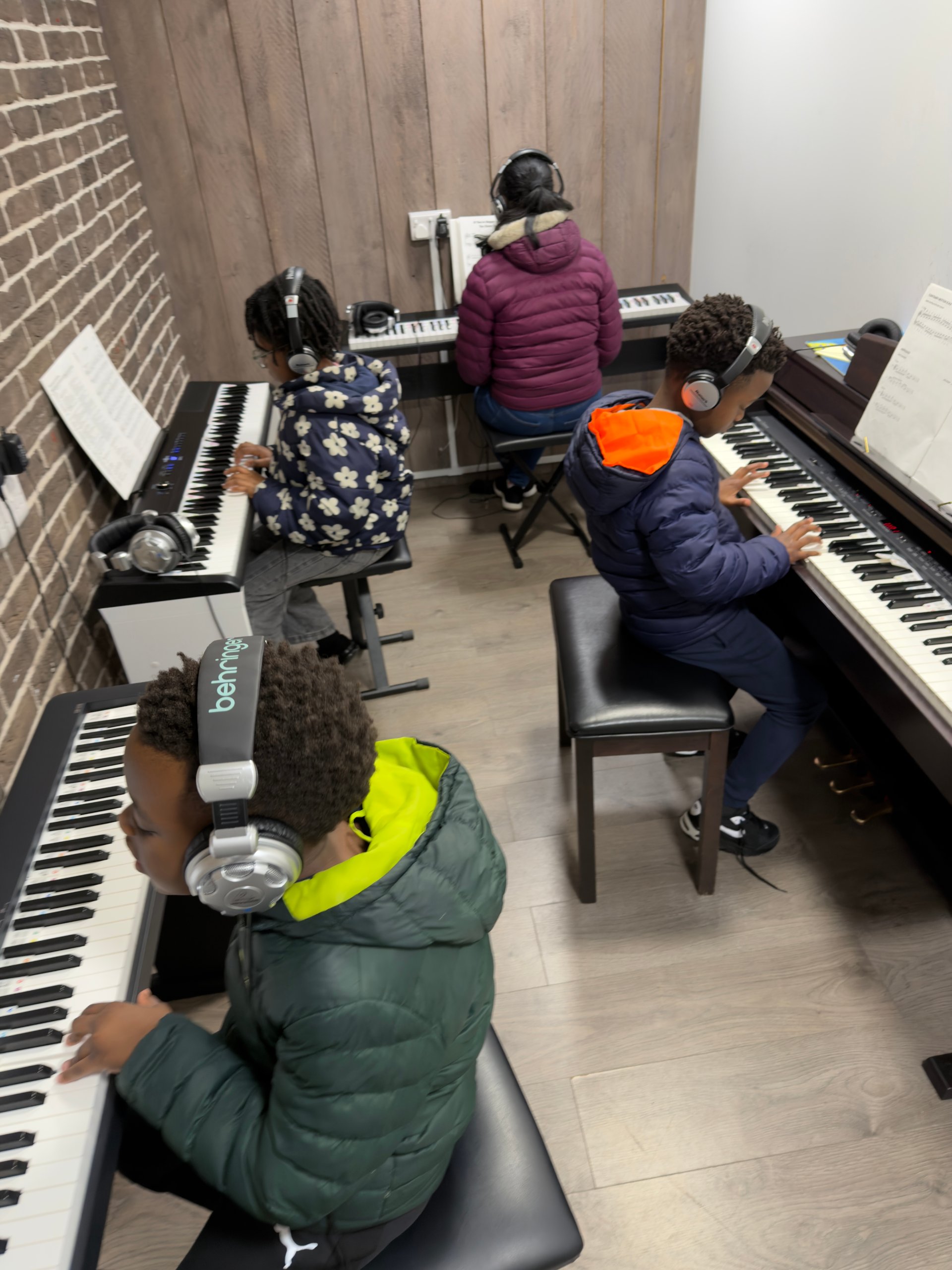
When comparing drum lessons in Rochester, consider whether the teaching approach matches your goals, accommodates your experience level, and encourages steady progress. A supportive instructor can help you understand difficult rhythms, develop reliable technique, and build the confidence to play music independently or alongside others.
Start Your Musical Journey with Drum Lessons in Rochester
Choosing drum lessons in Rochester is an opportunity to develop a practical musical skill while enjoying the creative energy of playing percussion. With clear instruction, regular practice, and realistic expectations, beginners can progress from simple beats to more complex rhythms and complete songs. Children can strengthen coordination and concentration, while adults can explore a rewarding hobby at any stage of life.
The most effective lessons combine technical guidance with encouragement and a genuine enjoyment of music. By choosing a learning environment that suits your interests and practising consistently, you can build a strong rhythmic foundation and discover the satisfaction of becoming a more confident drummer.