Looking For Cosmetic Dentistry In Strathfield? What Treatments Can Help Improve Your Smile?
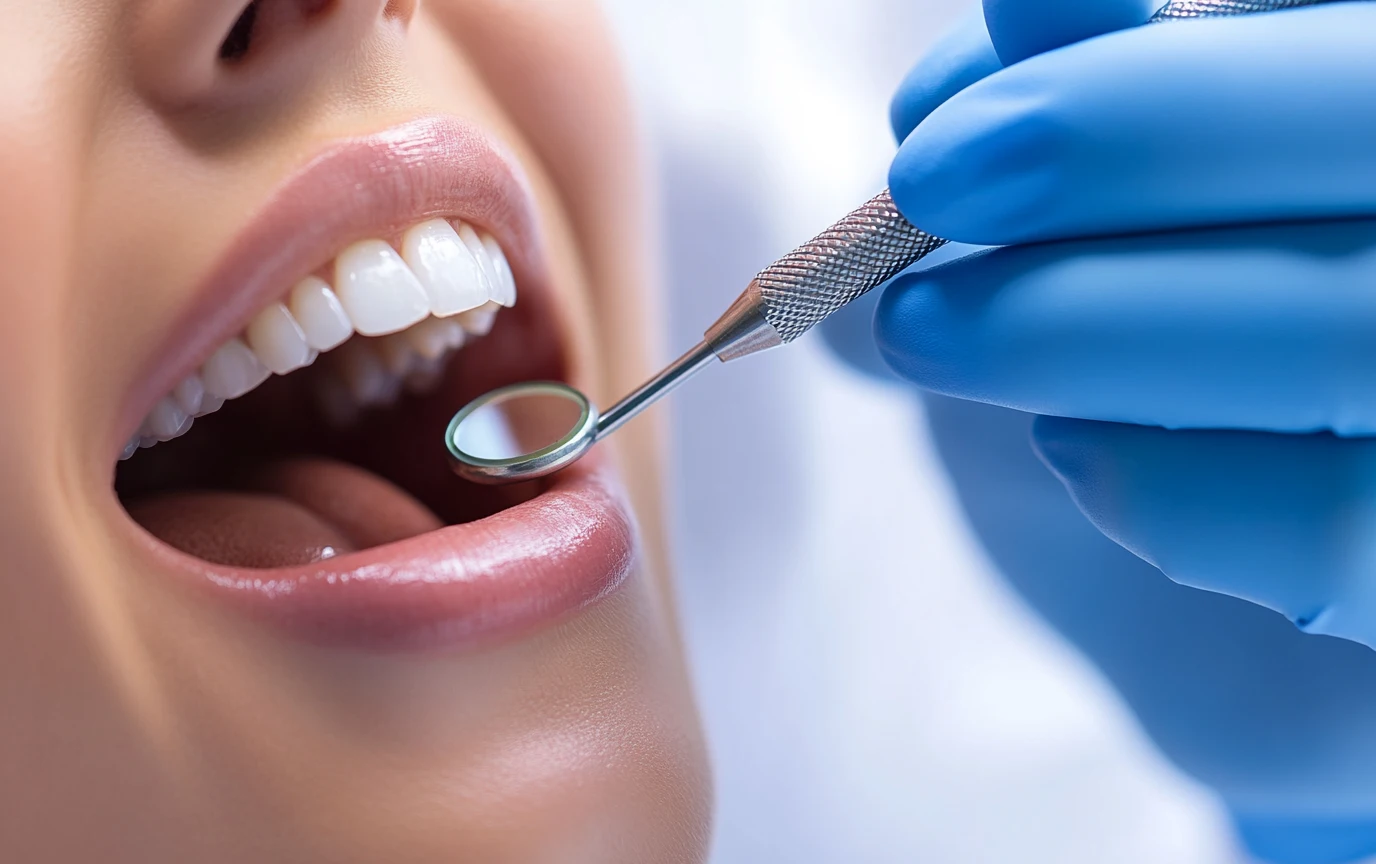
A healthy and attractive smile can make a positive difference to your confidence and everyday interactions. However, concerns such as stained teeth, chipped enamel, uneven spacing, discolouration, and worn teeth may affect how people feel about their appearance. Modern dental treatments offer several options to improve the appearance of teeth while supporting good oral health.
For individuals considering cosmetic dentistry in Strathfield, understanding the available treatments can help when deciding which options may suit their dental needs. Cosmetic dental procedures focus on improving the appearance of teeth, gums, and smiles. Depending on the condition of your teeth, a dentist may recommend professional whitening, dental veneers, bonding, crowns, or orthodontic treatments.
Choosing an appropriate treatment starts with a dental examination to assess oral health, identify concerns, and discuss realistic results.
What Is Cosmetic Dentistry?
Cosmetic dentistry refers to dental treatments designed to improve the appearance of a person's smile. These procedures may address tooth colour, shape, size, alignment, and spacing.
Some cosmetic treatments also provide restorative benefits by protecting damaged teeth or improving their function.
Common reasons people explore cosmetic dental procedures include:
Stained or discoloured teeth.
Chipped or cracked enamel.
Uneven or irregularly shaped teeth.
Gaps between teeth.
Worn or damaged teeth.
Mild alignment concerns.
Old dental restorations that affect smile appearance.
The right approach depends on individual dental health, treatment expectations, and the condition of the teeth and gums.
What Are the Most Popular Cosmetic Dental Treatments?
Different procedures are available to address specific dental concerns. A dentist can recommend suitable options after examining your teeth and discussing your goals.
Professional Teeth Whitening
Teeth whitening is a popular option for people who want to improve the brightness of their smiles. Teeth may become stained over time due to coffee, tea, red wine, smoking, ageing, and certain medications.
Professional whitening uses dental bleaching products to reduce discolouration.
Depending on the patient's requirements, treatment may involve an in-chair whitening procedure or dentist-supervised take-home whitening kits.
Before whitening, a dentist should check for cavities, gum problems, and other conditions that may affect treatment suitability. Whitening does not change the colour of crowns, veneers, or fillings.
Dental Veneers
Dental veneers are thin coverings placed over the front surfaces of teeth to improve their appearance. They are commonly made from porcelain or composite resin.
Veneers may help address:
Persistent tooth discolouration.
Small chips and cracks.
Uneven tooth shapes.
Minor gaps between teeth.
Differences in tooth size.
Porcelain veneers are known for their natural-looking appearance and stain resistance. Composite veneers may offer a different cost and treatment approach.
Veneers generally require careful planning, and some procedures involve removing a small amount of natural enamel. They are not suitable for every patient, particularly where untreated decay or significant gum disease is present.
Dental Bonding
Dental bonding involves applying tooth-coloured composite resin to repair or improve the appearance of teeth.
It may be recommended for minor chips, small gaps, uneven edges, and certain discolouration concerns.
The dentist shapes the resin to match the surrounding tooth and hardens it using a special light. Bonding is generally less invasive than veneers, although the material may stain or wear over time.
Dental Crowns
Dental crowns are restorations that cover the visible portion of a damaged or weakened tooth. They may be recommended when a tooth has extensive decay, a large filling, a fracture, or previous root canal treatment.
Crowns can restore tooth shape, strength, and appearance. They are available in different materials, including ceramic, porcelain, and metal-based options.
Although crowns can improve the appearance of teeth, they are primarily used when additional protection or restoration is needed.
Orthodontic Treatments
Crooked teeth, crowded teeth, and gaps can affect smile appearance and sometimes make cleaning more difficult.
Orthodontic treatments help gradually move teeth into improved positions. Options may include traditional braces and clear aligner systems.
The most suitable approach depends on the complexity of the alignment problem, oral health, and treatment goals.
How Can Cosmetic Dentistry Improve Your Smile?
Cosmetic dental procedures can address different concerns and help create a more balanced smile.
Some potential benefits include:
Improved tooth colour and brightness.
Better-looking tooth shape and proportions.
Repair of visible chips and minor damage.
Improved appearance of gaps and uneven spacing.
Greater confidence when smiling.
Restoration of worn or damaged teeth where clinically appropriate.
It is important to understand that cosmetic procedures do not guarantee perfect results. Outcomes depend on the treatment selected, the condition of the teeth, and individual healing and maintenance.
How Do You Choose the Right Cosmetic Dental Treatment?
Choosing a suitable treatment requires more than selecting a procedure based on appearance. Your dentist should assess your overall oral health before recommending cosmetic work.
Consider these important factors:
Assess Your Dental Health
Healthy teeth and gums provide a better foundation for cosmetic procedures. Cavities, gum disease, and infections may need treatment before cosmetic work begins.
Understand Your Treatment Options
Ask your dentist about available procedures, their benefits, limitations, costs, and potential risks.
Consider Long-Term Maintenance
Different treatments have different maintenance requirements. For example, whitening may need occasional repeat treatment, while veneers and crowns require regular dental care and monitoring.
Discuss Your Expectations
Explain what you would like to improve about your smile. Your dentist can discuss realistic outcomes and whether the proposed treatment is suitable.
Review Treatment Costs
Request a clear treatment plan that explains the expected costs, number of appointments, and any additional procedures that may be required.
How Can You Maintain Your Smile After Cosmetic Dental Treatment?
Good oral hygiene is essential for protecting both natural teeth and dental restorations.
Follow these practical habits:
Brush twice daily using fluoride toothpaste.
Clean between your teeth every day with floss or suitable interdental products.
Attend regular dental check-ups.
Limit frequent consumption of sugary foods and drinks.
Avoid smoking and tobacco products.
Reduce exposure to foods and drinks that cause staining.
Avoid biting hard objects such as ice or pens.
Wear a recommended mouthguard during contact sports.
If you grind your teeth, discuss this with your dentist because repeated pressure may damage certain restorations.
Frequently Asked Questions
Is cosmetic dentistry suitable for everyone?
Not every procedure is suitable for every patient. A dentist needs to assess tooth condition, gum health, existing restorations, and treatment expectations before recommending an option.
How long do cosmetic dental treatments last?
Treatment lifespan varies. Whitening results may fade over time, while veneers, bonding, and crowns can last for different periods depending on materials, oral hygiene, lifestyle, and maintenance.
Is cosmetic dental treatment painful?
Some procedures involve little or no discomfort, while others may require local anaesthesia. The experience depends on the treatment and individual sensitivity.
Can cosmetic dentistry fix chipped teeth?
Yes. Depending on the size and location of the chip, a dentist may recommend composite bonding, veneers, or a dental crown.
Does teeth whitening damage natural teeth?
When performed appropriately under professional guidance, teeth whitening is generally considered safe. Temporary tooth sensitivity or gum irritation may occur.
Conclusion
A confident smile begins with healthy teeth and appropriate dental care. From professional whitening and dental veneers to bonding, crowns, and orthodontic treatments, several options are available to address different cosmetic concerns.
Choosing cosmetic dentistry in Strathfield allows individuals to explore suitable ways to improve their smile with professional dental guidance. A qualified dentist can assess oral health, explain treatment options, and develop an approach based on individual needs. With appropriate treatment and consistent oral hygiene, patients can maintain a healthier-looking smile and support their long-term dental wellbeing.