What Are The Best Sciatica Treatments Near You For Lasting Pain Relief?
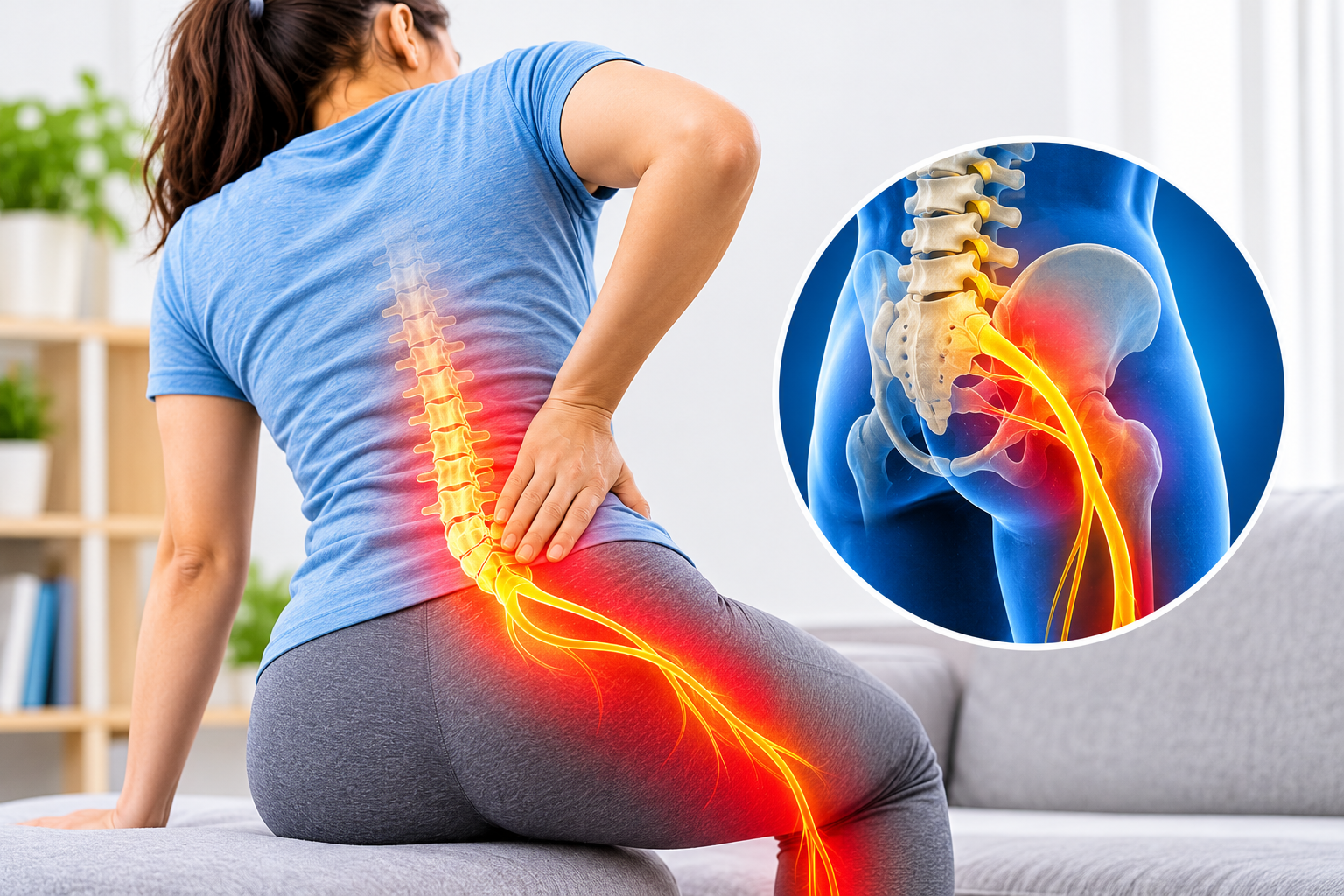
Sciatica is a common condition that causes pain, tingling, numbness or weakness along the sciatic nerve, which runs from the lower back through the hips and down each leg. The discomfort can range from mild irritation to severe pain that affects walking, sitting, sleeping and everyday activities. Finding the right treatment early can help reduce symptoms, improve mobility and prevent the condition from interfering with daily life.
People experiencing persistent back or leg pain often look for sciatica treatments near you to understand which treatment options are available and how they can support recovery. The most suitable approach depends on the underlying cause, severity of symptoms and overall health. With an appropriate treatment plan, many people experience improvement without needing surgery.
What Causes Sciatica?
Sciatica develops when the sciatic nerve becomes irritated or compressed. This usually happens because of changes or problems in the lower spine, although other conditions can also affect the nerve.
Some common causes include:
Herniated or Slipped Disc
A herniated disc occurs when the soft inner material of a spinal disc pushes through its outer layer. If it presses against a nearby nerve root, it may cause pain that travels from the lower back into the leg.
Spinal Stenosis
Spinal stenosis refers to the narrowing of spaces within the spine. This can put pressure on nearby nerves and cause discomfort, numbness or weakness, particularly during walking or standing.
Degenerative Disc Changes
As people age, spinal discs may gradually lose flexibility and height. These changes can sometimes contribute to nerve irritation and sciatica symptoms.
Piriformis Syndrome
The piriformis muscle is located deep in the buttock. When this muscle irritates or compresses the sciatic nerve, it may cause pain that resembles traditional sciatica.
What Are the Common Symptoms of Sciatica?
Sciatica symptoms usually affect one side of the body, although both legs can occasionally be involved. The intensity and location of discomfort depend on which nerve roots are affected.
Common symptoms include:
Sharp, burning or shooting pain in the lower back, buttock or leg.
Tingling or pins-and-needles sensations.
Numbness in the leg or foot.
Muscle weakness that affects walking or standing.
Increased discomfort after prolonged sitting.
Pain that becomes worse when coughing, sneezing or bending.
Some people experience mild discomfort, while others find that the pain makes ordinary activities difficult.
What Are the Best Treatment Options for Sciatica?
The right treatment depends on the cause of nerve irritation and how severely it affects daily activities. Healthcare professionals may recommend a combination of approaches to manage symptoms and improve movement.
Physiotherapy and Guided Exercises
Physiotherapy is commonly recommended for people experiencing sciatica. A qualified physiotherapist can assess movement, identify areas of weakness and develop an exercise programme suited to individual needs.
Treatment may include gentle stretching, strengthening exercises, posture correction and mobility training. These activities help support the lower back, improve flexibility and reduce unnecessary pressure on surrounding structures.
Exercises should be performed carefully, as movements that increase leg pain may need to be modified.
Heat and Cold Therapy
Applying cold or heat to the affected area may provide temporary relief.
Cold packs can help reduce discomfort, particularly during the early stages of a flare-up. Heat therapy may relax tight muscles and improve comfort.
Use a towel between the pack and skin, and avoid applying extreme temperatures directly to the body. These methods manage symptoms but do not necessarily address the underlying cause.
Medication for Pain Management
Depending on the symptoms and medical history, a healthcare professional may recommend suitable medication. Some people may benefit from anti-inflammatory medicines or other pain-relief options.
Medication should be used according to professional advice because certain medicines may cause side effects or may not be suitable for everyone.
Gentle Movement and Activity Modification
Although resting may feel helpful when pain is severe, prolonged bed rest is generally not recommended. Gentle movement and regular changes in position can help maintain mobility.
Short walks, light daily activities and avoiding movements that trigger severe pain may support recovery. Heavy lifting, repeated bending and prolonged sitting may need to be limited temporarily.
Manual Therapy
Some physiotherapy programmes include hands-on techniques to improve movement and address muscle tightness. Manual therapy may be combined with exercise and education to support better physical function.
Treatment should be performed by a suitably qualified practitioner after assessing the cause of symptoms.
Advanced Medical Treatments
If symptoms remain severe despite conservative treatment, a specialist may discuss additional options.
These may include:
Epidural steroid injections to help reduce inflammation around irritated nerves.
Specialist pain management for persistent symptoms.
Surgical procedures in selected cases where nerve compression is significant or neurological problems are progressing.
Surgery is not necessary for most people with sciatica. The decision depends on the underlying spinal condition, symptom severity and response to other treatments.
How Can You Prevent Sciatica From Returning?
Although not every episode of sciatica can be prevented, certain lifestyle habits may help reduce the risk of recurring discomfort.
Maintain Good Posture
Avoid slouching for extended periods. Use a supportive chair and keep your feet comfortably positioned when sitting.
Exercise Regularly
Walking, swimming and appropriate strengthening exercises can support spinal health and improve overall flexibility.
Lift Objects Correctly
Bend your knees, keep objects close to your body and avoid twisting while lifting heavy items.
Take Breaks From Sitting
If your work involves sitting for long hours, stand up, stretch gently and change positions regularly.
Maintain a Healthy Weight
Managing body weight can help reduce unnecessary stress on the lower back and surrounding structures.
When Should You Seek Medical Attention for Sciatica?
Mild sciatica may improve with appropriate self-care, but persistent or worsening symptoms should be assessed by a healthcare professional.
Seek medical advice if pain continues, repeatedly returns, affects sleep or makes everyday activities difficult.
Certain symptoms require immediate medical attention. These include:
New or worsening weakness in one or both legs.
Numbness around the genitals, buttocks or inner thighs.
Difficulty starting urination or loss of bladder or bowel control.
Severe symptoms affecting both legs.
These warning signs may indicate serious nerve compression, including cauda equina syndrome, which requires emergency assessment.
How Do You Choose the Right Sciatica Treatment Provider?
Choosing an appropriate healthcare professional is an important part of managing sciatica. Look for a qualified practitioner who understands spinal conditions and can assess the possible cause of your symptoms.
Consider the following factors:
Qualifications and relevant clinical experience.
A thorough assessment before recommending treatment.
A treatment plan based on individual symptoms and needs.
Clear explanations of available treatment options.
Progress monitoring and adjustments when necessary.
A suitable provider should also explain when additional medical investigations or specialist referrals may be required.
Frequently Asked Questions About Sciatica
How long does sciatica usually last?
Many cases improve within a few weeks to a few months. However, recovery time depends on the underlying cause, severity of nerve irritation and response to treatment.
Can sciatica go away without surgery?
Yes. Many people recover through conservative approaches such as physiotherapy, appropriate exercise, activity modification and medication when needed. Surgery is generally considered only in selected cases.
Is walking good for sciatica?
Gentle walking may help maintain mobility and reduce stiffness. However, the distance and intensity should be adjusted according to pain levels. Stop and seek professional advice if walking significantly worsens symptoms.
What should you avoid when experiencing sciatica?
Avoid prolonged bed rest, heavy lifting, sudden twisting and exercises that increase shooting leg pain. Sitting in one position for extended periods may also aggravate symptoms.
When should you consider professional treatment?
Consider an assessment if pain persists, becomes more severe, causes numbness or weakness, or interferes with daily activities. Sudden bladder or bowel changes and saddle numbness require emergency medical attention.
Conclusion
Sciatica can affect mobility, comfort and quality of life, but the right approach can help manage symptoms and support recovery. Treatment options may include physiotherapy, guided exercises, heat and cold therapy, medication and specialist medical care, depending on the underlying cause.
Exploring suitable sciatica treatments near you and consulting a qualified healthcare professional can help identify the source of discomfort and develop an appropriate treatment plan. Early assessment, regular movement and healthy lifestyle habits can also play an important role in long-term spinal health and improved daily function.