A Complete Guide to Fat Grafting Surgery in Riyadh for Natural Results
Fat grafting has become an increasingly popular option for people seeking natural-looking enhancements to their facial features and body contours. By using fat collected from the patient's own body, this procedure can restore lost volume, improve selected areas, and create a more balanced appearance. For individuals exploring Fat Transfer Surgery in Riyadh, understanding the procedure, its benefits, recovery process, and suitability can help them make informed decisions about their aesthetic goals.
Fat transfer is also known as fat grafting or autologous fat transfer. It involves removing fat from one part of the body, processing it, and carefully injecting it into another area. People considering Fat Transfer Surgery in Saudi Arabia may explore this treatment for facial rejuvenation, breast enhancement, or body contouring, depending on their individual needs and medical suitability.
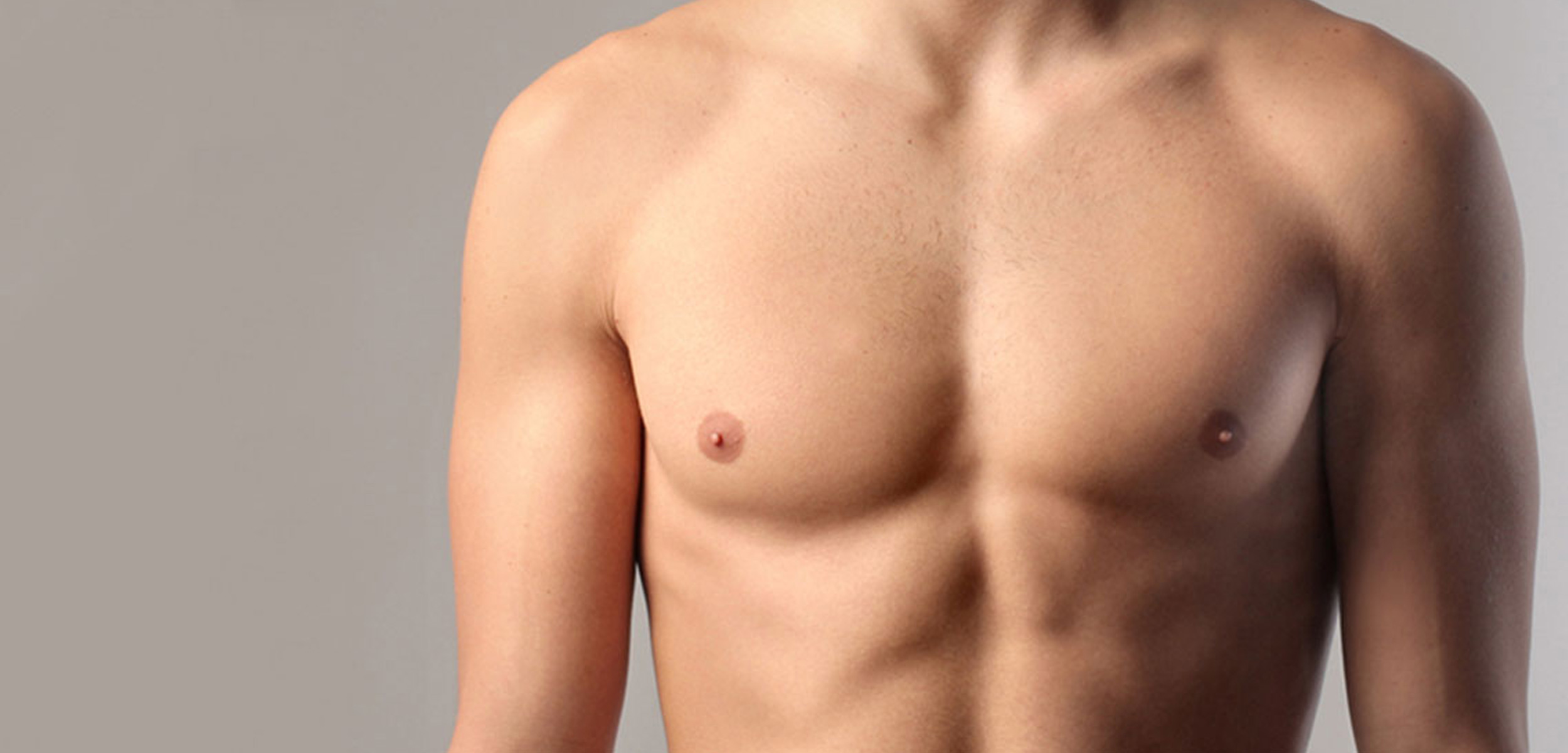
What Is Fat Transfer Surgery?
Fat transfer surgery is an aesthetic procedure that uses a person's own fat to improve volume and contour in selected areas. Unlike treatments that rely on synthetic fillers or implants, fat grafting uses tissue harvested from the patient's body. The procedure typically involves three stages: fat harvesting, purification, and injection into the desired area.
The surgeon first identifies a suitable donor area, such as the abdomen, thighs, or flanks. Fat is then collected using a specialized liposuction technique. After processing to remove unwanted fluids and impurities, the prepared fat is injected into the treatment area in small amounts to support an even, natural-looking result.
People researching Fat Transfer Surgery in Riyadh should understand that outcomes depend on several factors, including the quality of the harvested fat, the treatment area, the surgeon's technique, and the body's ability to retain the transferred fat.
Why Consider Fat Transfer Surgery in Riyadh?
Riyadh offers access to a range of aesthetic treatments for people interested in facial rejuvenation and body contouring. Fat transfer may appeal to individuals who prefer an approach that uses their own tissue to restore volume rather than relying exclusively on artificial materials.
The procedure can address concerns such as facial hollowness, age-related volume loss, and selected areas that may benefit from additional fullness. It can also combine fat removal from one area with volume enhancement in another, depending on the patient's goals and medical suitability.
However, natural-looking results cannot be guaranteed. A detailed consultation helps establish realistic expectations and determine whether fat grafting is an appropriate choice.
Common Applications of Fat Transfer Surgery
Fat grafting can be used in several areas of the face and body. The most suitable application depends on the patient's anatomy, available donor fat, desired outcome, and overall health.
Facial Fat Transfer
Facial fat transfer can restore volume in areas affected by ageing or natural facial structure. Common treatment areas include the cheeks, temples, and certain hollows beneath the eyes. Carefully placed fat may soften the appearance of volume loss and improve facial balance.
The amount of fat transferred depends on the treatment plan and the characteristics of the area being treated. Since some transferred fat may not survive, the final outcome can differ from the initial appearance after surgery.
Breast Fat Transfer
Breast fat transfer uses harvested fat to provide a modest increase in breast volume or improve contour irregularities. It may appeal to individuals who want a subtle enhancement without breast implants.
The amount of enlargement possible is limited by the available donor fat and the capacity of breast tissue to support the transferred cells. Multiple procedures may sometimes be considered to achieve a desired result. A qualified surgeon should explain the potential benefits, limitations, and effects on future breast imaging.
Buttock and Body Contouring
Fat grafting may also be used to improve selected body contours, including the buttocks and certain areas with volume deficiencies. Treatment planning focuses on proportion, symmetry, and the patient's individual anatomy.
Buttock fat transfer requires particular attention to safety because injecting fat into or beneath the gluteal muscle can cause serious complications, including fatal fat embolism. Patients should discuss the technique, injection plane, and appropriate safety measures with a qualified specialist before proceeding.
Who Is a Suitable Candidate for Fat Transfer Surgery?
Not everyone is an ideal candidate for fat grafting. A medical assessment is necessary to determine whether the procedure is suitable and whether the patient's expectations are achievable.
Potential candidates generally have sufficient donor fat, good overall health, and realistic expectations about the results. They should also be willing to follow preoperative instructions and allow adequate time for recovery.
People with certain medical conditions, active infections, healing problems, or insufficient donor fat may require additional assessment or an alternative treatment. Smoking can also interfere with healing and fat survival, so patients should discuss smoking cessation and other relevant lifestyle factors with their surgeon.
When considering Fat Transfer Surgery in Saudi Arabia, patients should share their complete medical history, current medications, allergies, and previous procedures during the consultation.
How Is Fat Transfer Surgery Performed?
The procedure usually takes place in an appropriate surgical setting, with the type of anaesthesia determined by the treatment area and individual circumstances.
Step One: Consultation and Treatment Planning
The process begins with an assessment of the patient's concerns, medical history, donor fat availability, and desired results. The surgeon examines the relevant areas and discusses realistic expectations, potential complications, and available alternatives.
Step Two: Fat Harvesting
Fat is collected from a selected donor area using liposuction. Small incisions are typically used, and the fat is removed carefully to preserve its suitability for transfer.
Step Three: Fat Processing
The harvested material is processed to separate usable fat from excess fluid and other unwanted components. Proper handling is important because the transferred fat must establish a blood supply in its new location to survive.
Step Four: Fat Injection
The prepared fat is placed into the treatment area through small injections. The surgeon distributes it carefully to support smooth contours and appropriate volume.
The exact technique, duration, and recovery requirements vary according to the treatment area and complexity of the procedure.
Benefits of Fat Transfer Surgery
Fat transfer can offer several advantages for appropriately selected patients. One of its main attractions is the use of the patient's own tissue, which may provide a natural feel and appearance after healing.
Other potential benefits include improved contour, restoration of lost volume, and the opportunity to reduce unwanted fat in a donor area. Fat grafting can also be tailored to specific facial or body concerns rather than following a uniform treatment approach.
However, patients should understand that some transferred fat is naturally reabsorbed by the body. Results can vary, and additional treatment may be necessary. Fat transfer is still surgery and carries risks, including infection, bleeding, contour irregularities, fat necrosis, cyst formation, and complications related to anaesthesia.
Recovery After Fat Transfer Surgery
Recovery depends on the amount of fat harvested, the injection site, and the extent of the procedure. Swelling, bruising, tenderness, and temporary discomfort are common during the early recovery period.
Patients may need to limit strenuous activity and follow specific instructions about caring for incision sites and protecting the treated area. Compression garments may be recommended for the donor area, while pressure restrictions may apply to certain injection sites.
The surgeon will explain when normal activities can resume and how follow-up appointments should be scheduled. Patients should avoid judging the final outcome too early because swelling can take time to settle and the retained fat gradually stabilizes.
Severe or worsening pain, fever, increasing redness, unusual discharge, shortness of breath, chest pain, or sudden neurological symptoms require urgent medical assessment.
How Long Do Fat Transfer Results Last?
Fat transfer results can be long-lasting, but the outcome is not entirely predictable. Some transferred fat is absorbed during the healing process, while the fat cells that successfully establish a blood supply may remain for years.
Changes in body weight, ageing, hormonal changes, and individual healing characteristics can affect the appearance of the treated area over time. Maintaining a relatively stable weight and following medical advice can help preserve the overall contour.
Patients should also understand that initial fullness immediately after surgery does not represent the final result. The surgeon can provide a more meaningful assessment once swelling has subsided and the transferred fat has stabilized.
Choosing a Qualified Fat Transfer Surgeon in Riyadh
Selecting an appropriately qualified surgeon is an essential part of planning fat grafting. Patients should verify the surgeon's relevant credentials, licensing, experience with the intended procedure, and access to a suitable surgical facility.
During a consultation, it is helpful to ask about the recommended technique, expected recovery, possible complications, and the management of unexpected outcomes. Patients can also request information about previous experience with similar cases, while recognizing that individual results vary.
Anyone considering Fat Transfer Surgery in Riyadh should feel comfortable discussing concerns openly and should never feel pressured to proceed. A responsible treatment plan prioritizes safety, realistic expectations, and the patient's overall wellbeing.
Frequently Asked Questions About Fat Transfer Surgery
What Is the Difference Between Fat Transfer and Fat Grafting?
Fat transfer and fat grafting are two names for essentially the same procedure. Both involve harvesting fat from one body area, processing it, and transferring it to another area to restore volume or improve contour.
Is Fat Transfer Surgery in Riyadh Suitable for Facial Rejuvenation?
It may be suitable for people seeking to address facial volume loss or hollowness. A qualified surgeon must assess facial anatomy, medical history, and treatment goals before recommending the procedure.
How Long Does Recovery From Fat Transfer Surgery Take?
Initial recovery may take days to weeks, depending on the treatment area and surgical extent. Swelling and bruising can persist longer, and the final results may take several months to become apparent.
Are Fat Transfer Surgery Results Permanent?
Some transferred fat may be reabsorbed, but surviving fat cells can remain for years. Weight fluctuations and natural ageing may affect the results over time.
Is Fat Transfer Surgery in Saudi Arabia Safe?
Fat transfer can be performed safely in appropriately selected patients when suitable techniques and medical precautions are followed. However, every surgical procedure carries risks, and safety depends on the treatment area, the surgeon's qualifications, and the surgical setting.
How Can I Prepare for a Fat Transfer Consultation in Riyadh?
Prepare by listing your aesthetic goals, medical conditions, medications, allergies, and previous procedures. Ask about the recommended technique, recovery requirements, potential complications, and expected results before making a decision.
Conclusion
Fat grafting can be an option for people seeking natural-looking improvements in facial volume or body contours. Understanding how the procedure works, who may benefit, and what recovery involves helps patients make informed choices. Careful treatment planning, realistic expectations, and appropriate medical supervision remain essential for achieving the best possible outcome.
For individuals researching Fat Transfer Surgery in Riyadh or exploring Fat Transfer Surgery in Saudi Arabia, Enfield Royal Clinic Saudi can be considered as a point of contact for learning more about available aesthetic treatment options and arranging a consultation. Prospective patients should independently verify the treating professional's qualifications, discuss the procedure's risks and benefits, and ensure that any treatment decision is based on their individual medical needs.