What Should You Look For When Choosing The Right Barber Clippers?
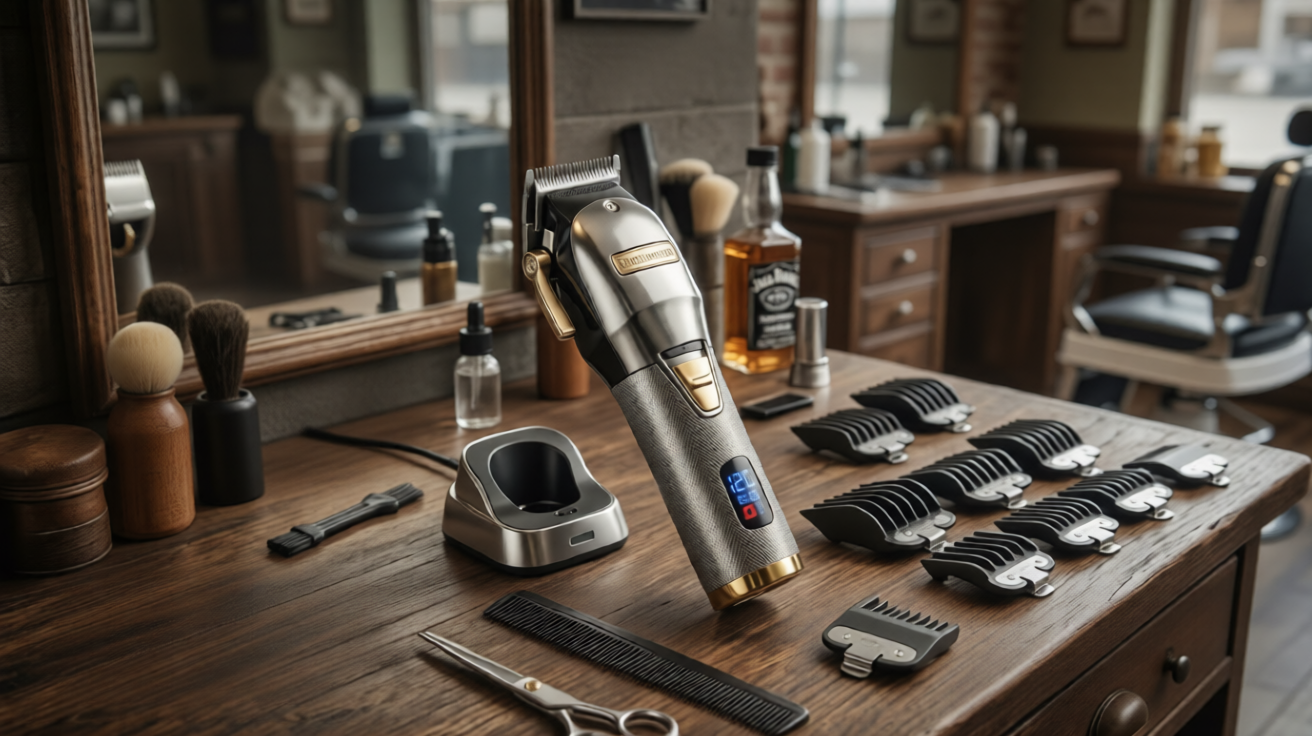
A professional haircut depends on the right tools, technique, and attention to detail. Whether a barber is creating clean fades, trimming hair around the neckline, shaping sideburns, or maintaining a client's preferred style, having reliable equipment can make a significant difference. Choosing suitable cutting tools helps improve precision, comfort, efficiency, and the overall quality of a haircut.
With so many options available, selecting the right equipment can feel confusing, especially for beginners and professional barbers who want to upgrade their setup. Understanding the important features, blade types, motor performance, and maintenance requirements can make the purchasing decision easier.
Why Are Quality Hair Cutting Tools Important?
Hair cutting tools are used throughout the day in busy barbershops, making durability and consistent performance important considerations. A reliable tool helps barbers work smoothly while maintaining control during different cutting techniques.
Quality equipment can help with:
Creating clean lines and precise fades
Maintaining consistent cutting performance
Reducing unnecessary pulling or snagging
Improving comfort during longer appointments
Supporting different haircut styles and techniques
Making daily grooming tasks more efficient
Investing in suitable equipment can also help barbers maintain a professional workflow and provide a better overall experience for their clients.
What Features Should You Consider Before Buying?
Not every cutting tool is designed for the same purpose. Some are better suited to bulk hair removal, while others are designed for detailed finishing and precision work. Before making a purchase, consider the following features.
Motor Performance
Motor power affects how efficiently a cutting tool handles different hair types and cutting demands. A dependable motor should provide smooth operation without excessive vibration or unnecessary noise.
Barbers who work with thick, coarse, or dense hair may benefit from equipment designed to maintain consistent performance under regular use. However, motor speed alone does not determine cutting quality. Blade sharpness, maintenance, and technique also play important roles.
Blade Quality and Material
Blades are one of the most important components of any hair cutting tool. Stainless steel, carbon steel, and ceramic blades are commonly used, with each material offering different characteristics.
Stainless steel blades are popular because of their durability and resistance to corrosion when properly maintained. Carbon steel blades can provide sharp cutting performance but require appropriate cleaning and care. Ceramic blades may offer reduced heat buildup during certain applications.
Choosing a suitable blade depends on the intended use, maintenance habits, and personal preferences.
Corded or Cordless Design
Corded models provide continuous power without requiring battery charging, making them suitable for barbers who prefer uninterrupted operation.
Cordless models offer greater freedom of movement and flexibility around the chair. They are convenient for busy shops, travelling barbers, and professionals who prefer a cleaner workstation without cables.
When choosing a cordless option, consider battery life, charging time, power consistency, and whether the device can operate while charging.
Ergonomic Design
Comfort matters when working through multiple appointments each day. A lightweight tool with a comfortable grip can help reduce hand fatigue and improve control.
The shape, weight distribution, button placement, and overall handling should feel natural. Barbers who regularly perform detailed fades and precision cuts may particularly benefit from a comfortable design that allows steady movement.
What Is the Difference Between Clippers, Trimmers, and Shavers?
Understanding the purpose of each grooming tool helps create a more complete barbering setup.
Hair Clippers
Hair clippers are designed to remove larger amounts of hair and create different lengths using adjustable blades or guard attachments. They are commonly used for fades, tapers, buzz cuts, and general hair shortening.
Hair Trimmers
Trimmers are generally smaller and designed for detailed work. They help create sharp outlines, clean necklines, define sideburns, and refine areas around the ears.
Foil Shavers
Foil shavers are used to achieve a close finish on very short hair. They are particularly useful for cleaning up the skin around faded areas and creating smooth finishing results.
Many professional barbers use all three tools because each serves a different purpose during a haircut.
How Can You Choose the Best Barber Clippers for Your Needs?
Selecting the right barber clippers depends on your experience, workload, haircut preferences, and budget. A professional barber working in a busy shop may prioritise motor performance, battery reliability, blade durability, and comfort. Someone cutting hair at home may prefer a straightforward model with easy-to-use guards and simple maintenance.
Before purchasing, check the available cutting lengths, included accessories, warranty details, replacement blade availability, and cleaning requirements. Reading product specifications and customer feedback can also help you understand how a particular model performs during regular use.
It is worth considering whether the tool is suitable for fades, bulk cutting, beard trimming, or general hair maintenance. Choosing equipment based on your actual needs is often more useful than paying extra for features you rarely use.
How to Maintain Your Hair Cutting Equipment
Regular maintenance helps keep cutting tools clean, sharp, and reliable. Poor maintenance can lead to reduced performance, increased friction, and discomfort during use.
Clean the Blades After Every Use
Remove loose hair from the blades using an appropriate cleaning brush. Hair buildup can affect cutting performance and interfere with smooth operation.
Apply Blade Oil Regularly
Lubricating the blades helps reduce friction and wear. Follow the manufacturer's instructions and use oil designed for grooming equipment.
Disinfect Between Clients
Professional barbers should follow appropriate hygiene practices and use suitable disinfectants according to the manufacturer's instructions. Cleaning and disinfection are important for maintaining a hygienic workspace and reducing the risk of cross-contamination.
Check Blade Alignment
Misaligned blades may cause uneven cutting or skin irritation. Check the blade position regularly and make adjustments according to the manufacturer's guidelines.
Store Equipment Properly
Keep tools in a dry, clean location when not in use. Protective covers and storage cases can help prevent accidental damage to blades and other components.
What Accessories Are Useful for Barbers?
Accessories can improve convenience and help barbers organise their workstations. Depending on the equipment, useful additions may include:
Cutting guards in different lengths
Blade cleaning brushes
Lubricating oil
Protective blade covers
Charging docks and replacement batteries
Storage cases
Neck brushes for removing loose hair
Having essential accessories readily available can make daily haircutting tasks more organised and efficient.
Frequently Asked Questions
Are cordless hair cutting tools suitable for professional barbers?
Yes. Many cordless models are designed for professional use and offer reliable performance, flexibility, and convenient handling. Battery life and motor performance should be checked before purchasing.
How often should cutting blades be replaced?
Replacement frequency depends on usage, blade quality, maintenance, and performance. Blades should be replaced when they become dull, damaged, or difficult to maintain, following manufacturer recommendations.
Can beginners use professional hair cutting tools?
Yes. Beginners can use professional tools, but they should choose models that are comfortable to handle and easy to maintain. Learning guard lengths, blade control, and basic haircutting techniques is equally important.
Why do hair cutting tools sometimes pull hair?
Hair pulling may occur because blades are dull, dirty, poorly aligned, or unsuitable for the hair type. Cleaning, lubrication, and proper blade adjustment can help improve performance.
Conclusion
Choosing the right hair cutting equipment is an important part of creating consistent, clean, and professional-looking haircuts. Motor performance, blade quality, ergonomics, power options, and maintenance requirements should all be considered before making a purchase.
Reliable barber clippers can help professionals manage different haircut styles, improve precision, and maintain a comfortable working routine. By selecting equipment that matches their needs and following regular cleaning and maintenance practices, barbers can support better results and build an efficient grooming workstation.